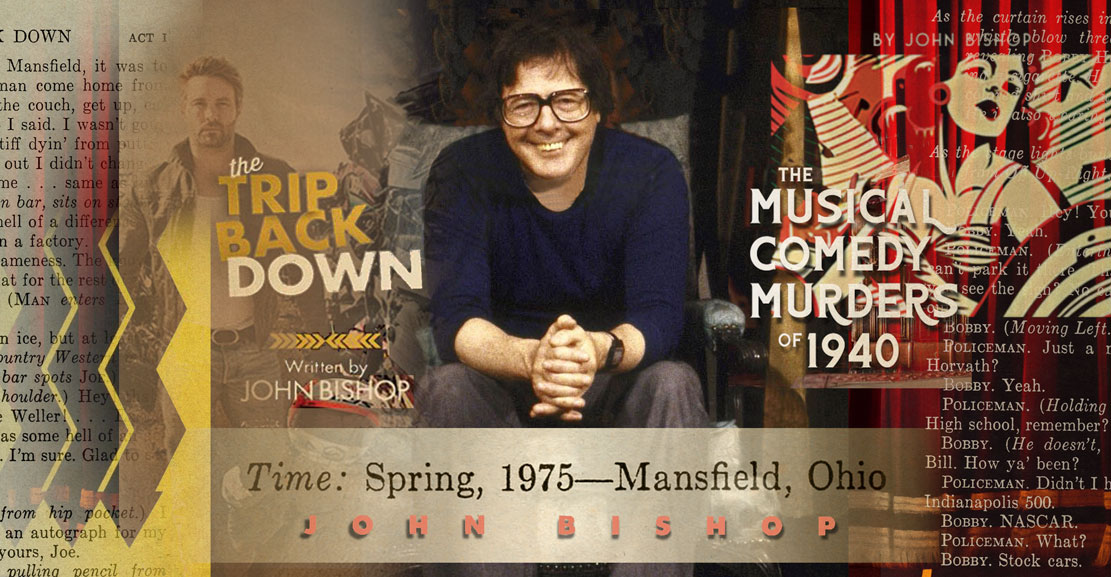
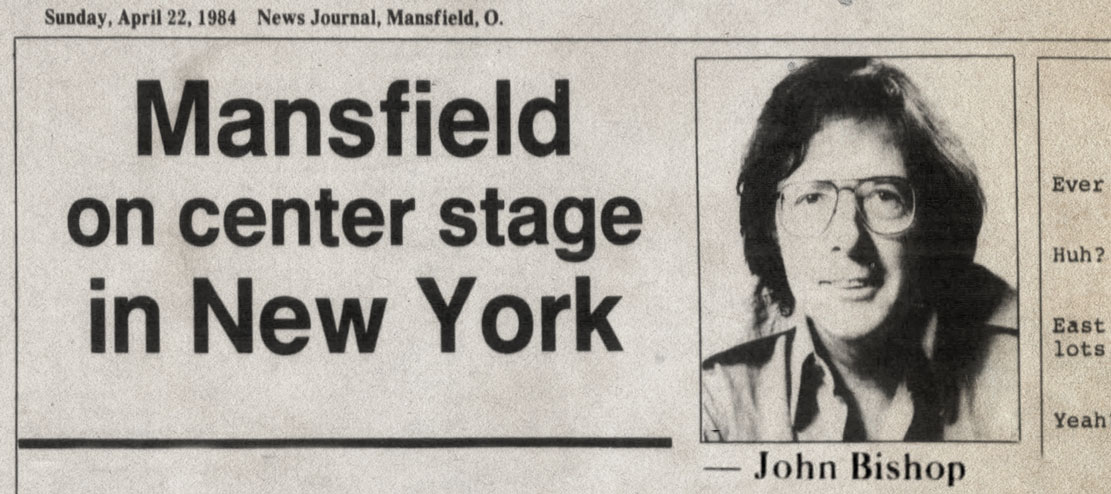
This is what you have to love about John Bishop: he took Mansfield everywhere he went, even as he became more prominent in American entertainment on both coasts of the nation.
He obviously loved growing up in Mansfield because, over and over again, places in town and the people he knew appeared on stage in New York, and in the Hollywood films made from his scripts.
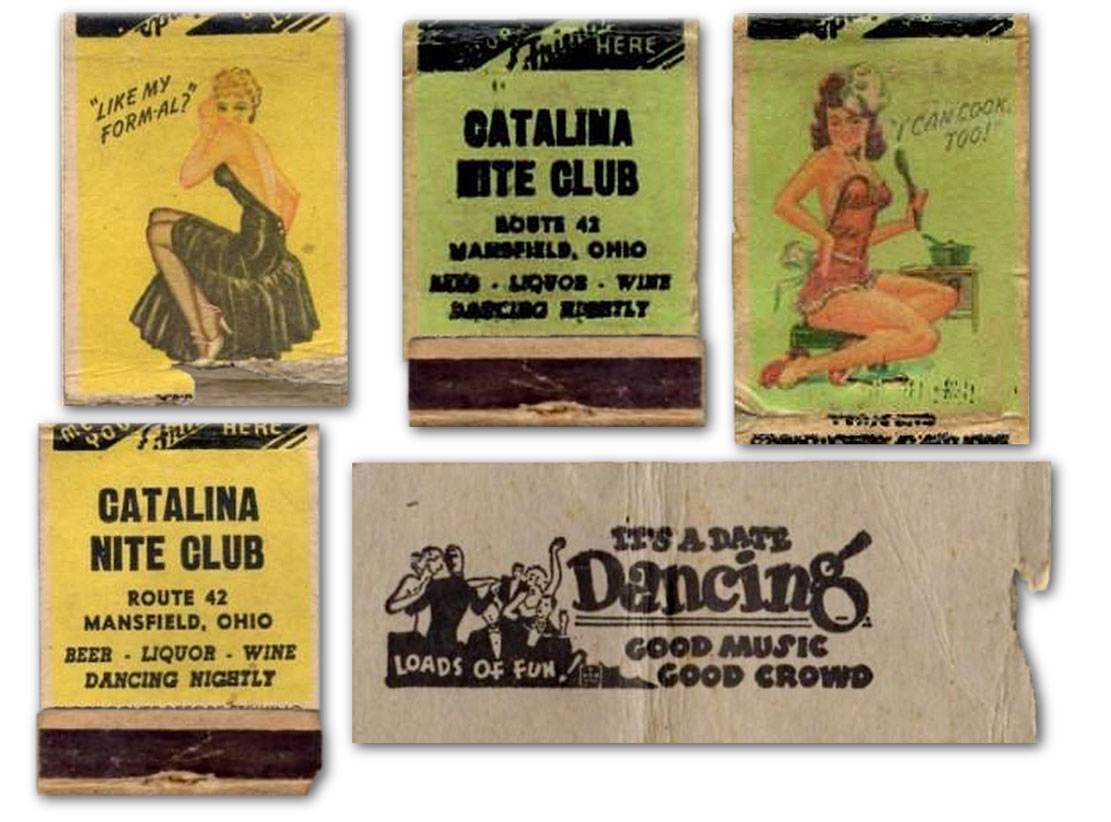
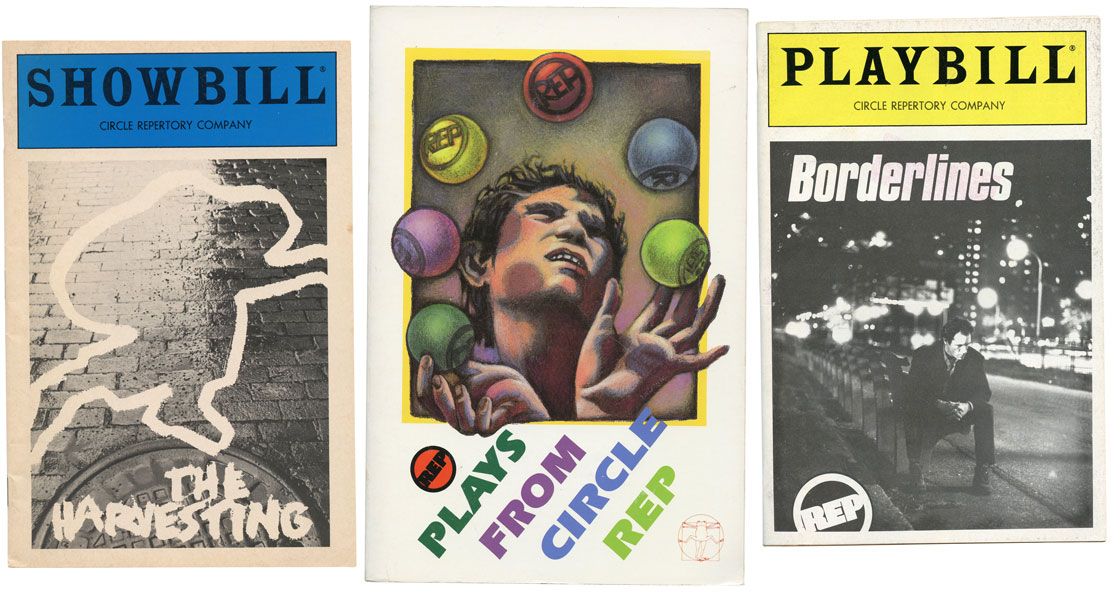
Here is a good example. His play, The Harvesting, is set in Mansfield, Ohio 1976. When it was performed in Manhattan at the Circle Repertory Company in 1984, the stage had a long surrounding background painted—quite literally—with scenes from downtown Mansfield. The characters had names he knew from his school days at Appleseed and Senior High. There are scenes that take place in a tavern called the Catalina—an old local landmark northeast of Madison. And when the Police band radio plays between scenes, the cops are all using actual local streets like Marion Avenue, Diamond Street, Lexington Avenue, and Route 42.
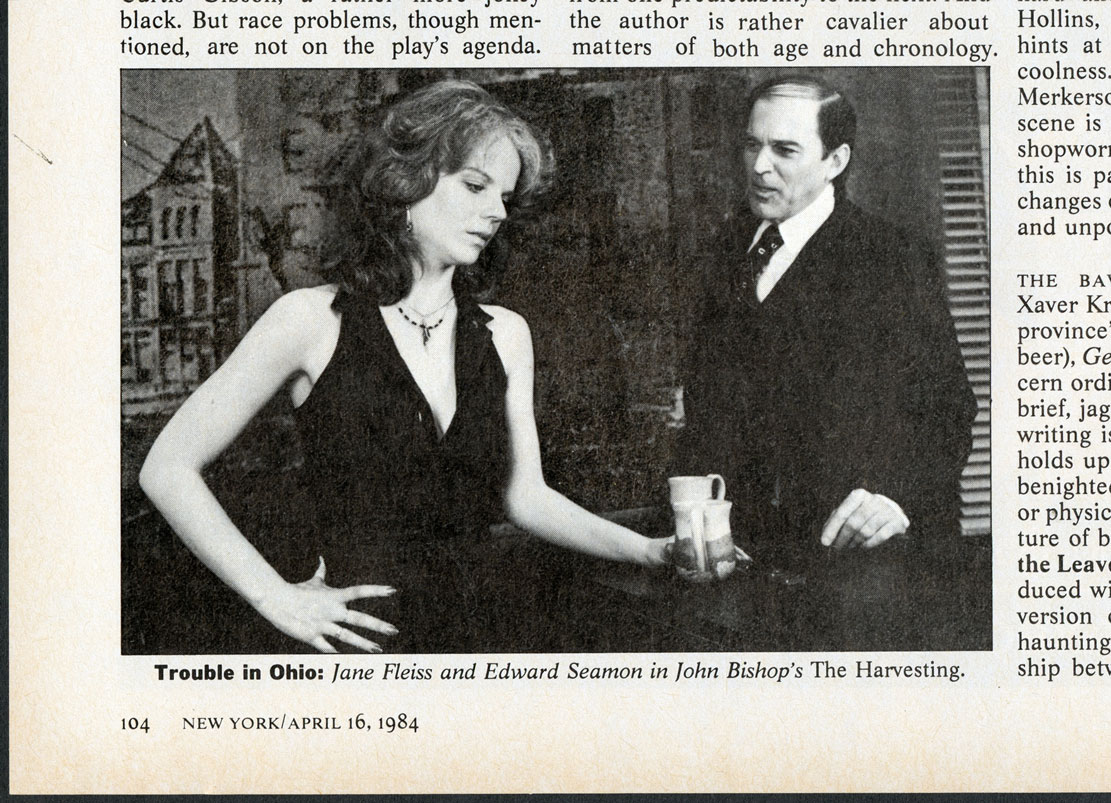
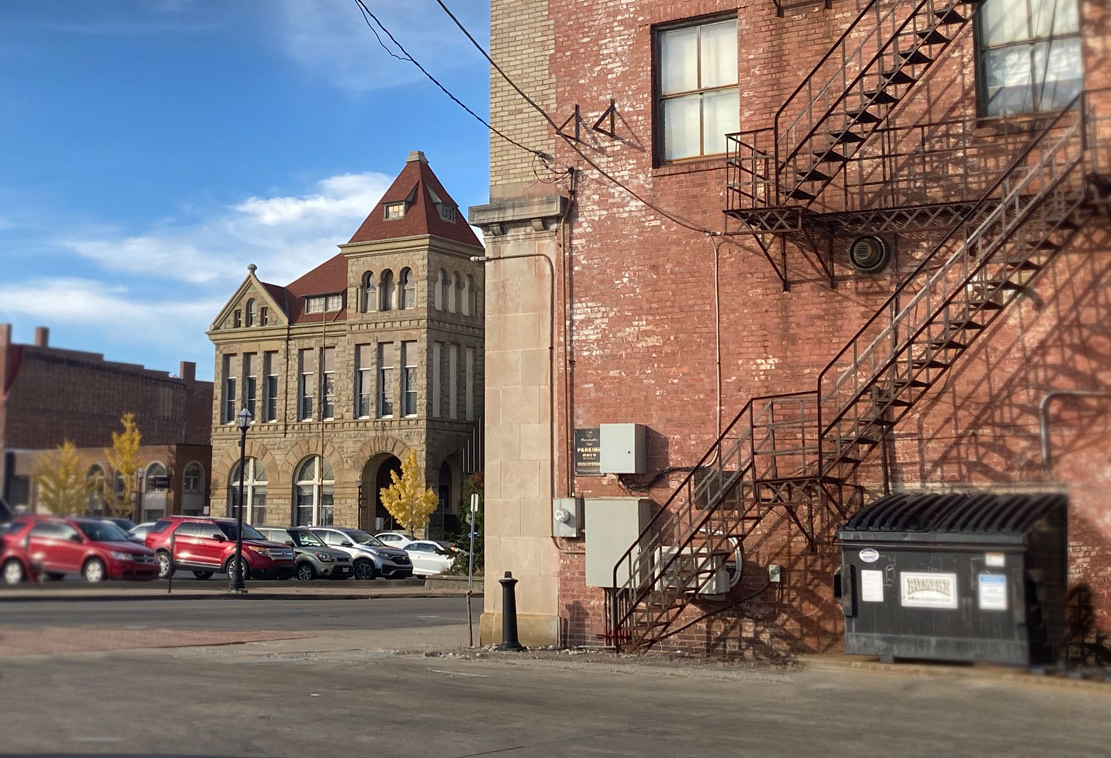
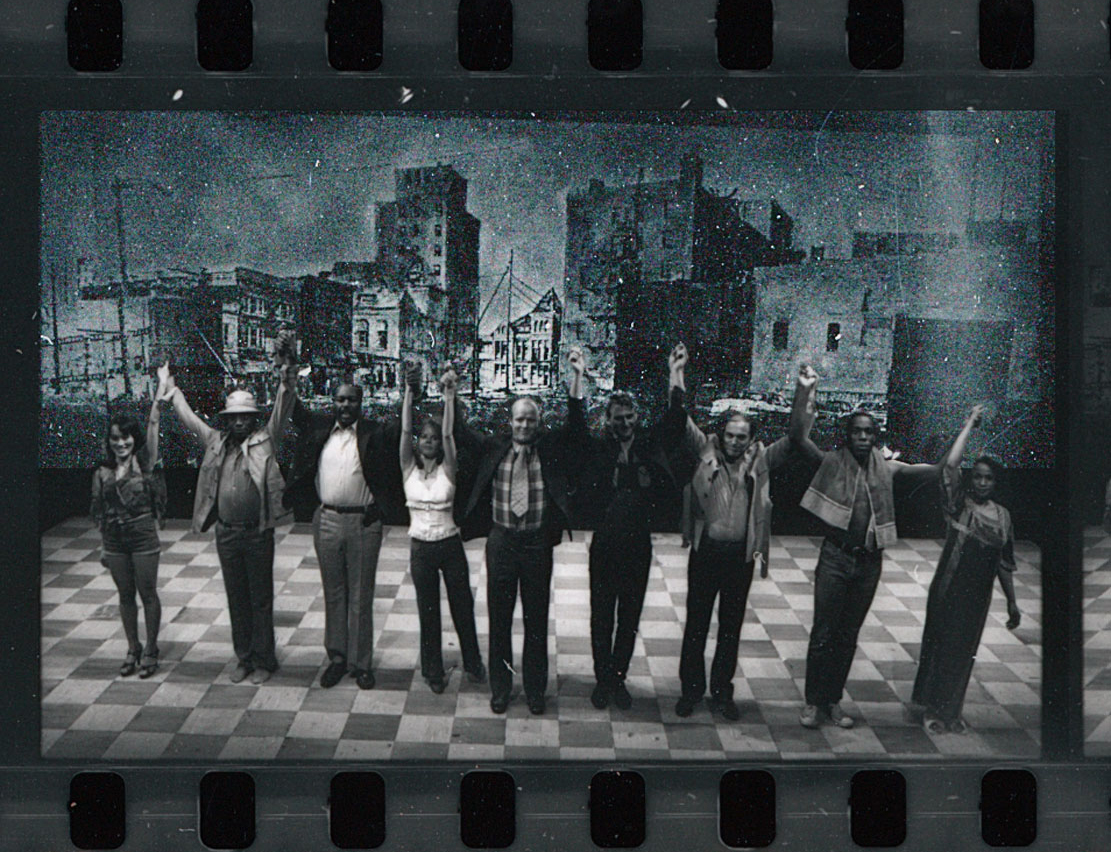
The scenic backdrop was painted by stage designer Loren Sherman, who told me he flew to Mansfield just to take reference photos of city.
“The main concept was that the audience would be surrounded by the city, with the downtown near (behind) the stage but the factories were behind the audience. Very simple: the city wrapped around the audience so they were inside it.”
(Negative contact print by Gerry Goodstein, in the Billy Rose Theatre Division of NY Public Library.)
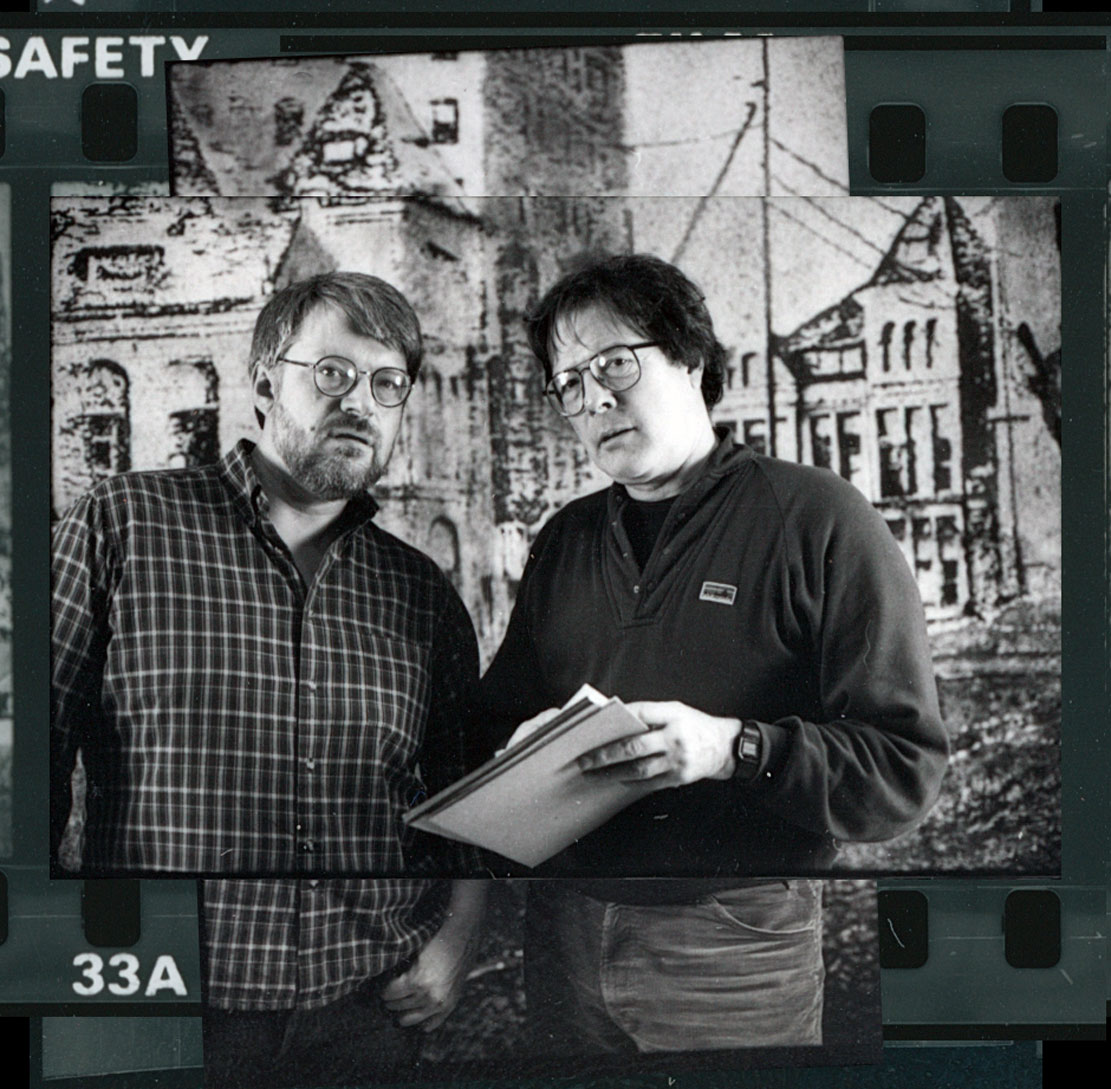
(Compilation negative contact print by Gerry Goodstein, in Billy Rose Theatre Division, NY Public Library.)
Backstage Backstory
He was born in Mansfield. His father was a foreman at Westinghouse, his mother a volunteer in community theater. When Children’s Theater was born in Mansfield in 1937, John was the first to enroll.
There are a thousand kids who playact through their school years but very few whose passion for the stage can propel them into adult life still wanting to act; to direct plays, to be anywhere backstage.
John demonstrated his enthusiasm for plays and his talent for production all through his young life. From 1937 until he graduated from Mansfield Senior High in 1947, there was not a play in town that he wasn’t acting in, rehearsing for, and/or carrying props and costumes backstage.
When the stage door closed at night he gathered a cast at his home and they read, they planned, they plotted and rehearsed.
He was a popular kid—he had a life out from behind the proscenium—but his heroes were backstage: actors, directors, playwrights.
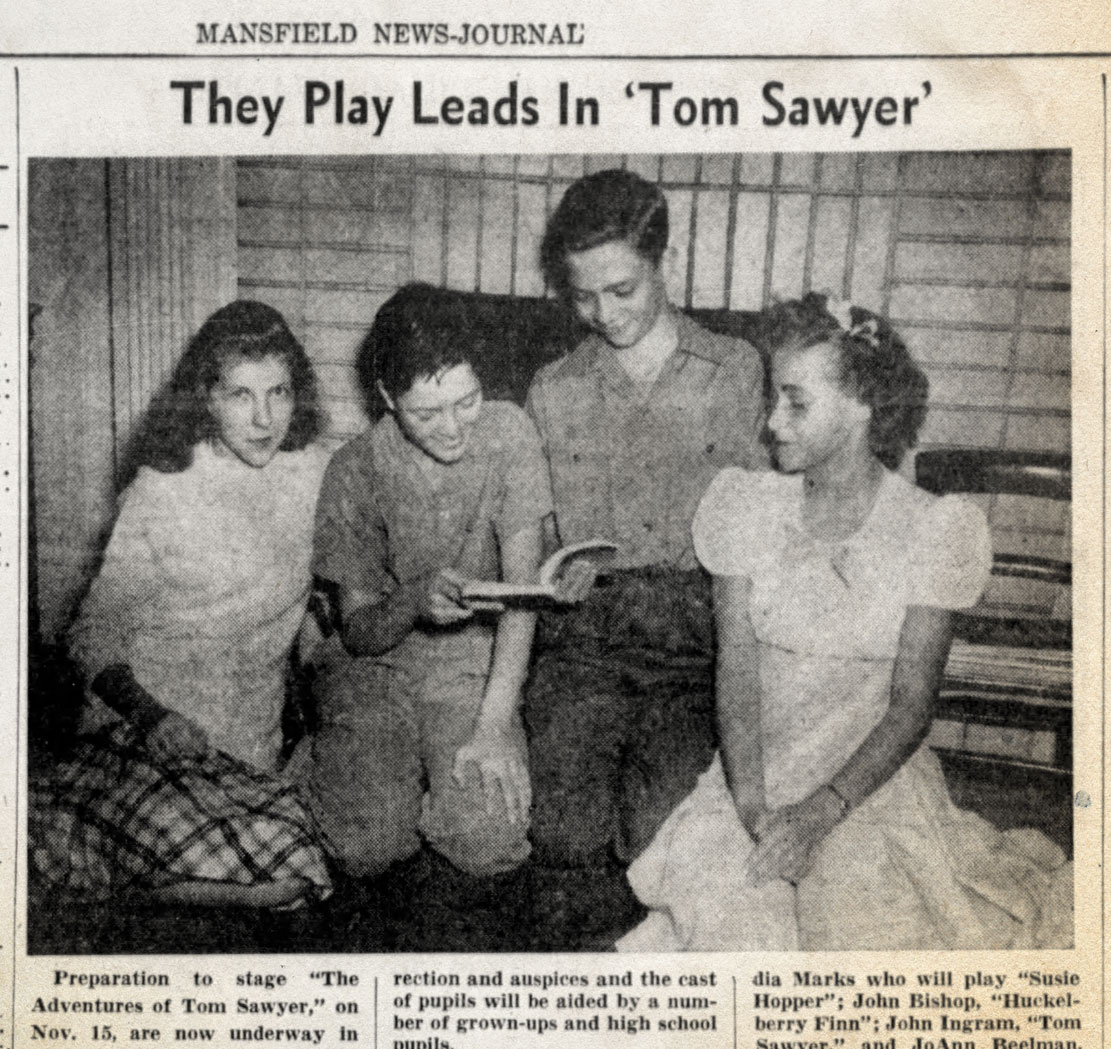

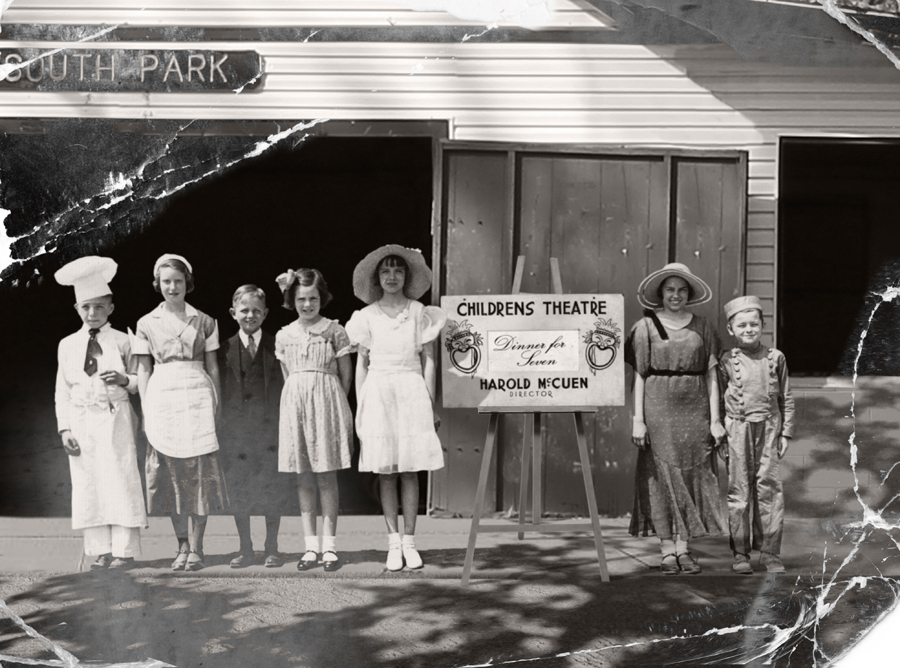
He was the first child to enroll when the organization started, and the first alumnus to stage his own show on Broadway forty-three years later.
Real Life and Stage Life
Theater is fantasy and real life is tough, and it takes a very special soul to be able to synthesize those two levels of reality. That’s what John excelled at.
When he started writing plays, the stories were about real life—tough choices, real people.
Read John Bishop’s plays and it is striking how much authentic Mansfield talk is in the lines; how his work takes that raw material and lifts it almost intact into a higher sphere of feeling, of heightened experience.
Not just idiom and vernacular on the surface of the language, but even deeper the conflicting sense of belonging and alienation, pride and arrogance masking insecurity; loving the town, hating the town. It’s very familiar to Mansfield.
Critics compared him to authors of Regionalist novels from the 1930s who were able to take ordinary daily common life and elevate it to a place of near mythic significance.
John’s characters were real folks—cops and factory workers and working class dreamers. They spoke in words that were from the mouths of Mansfield, yet contrasting in a way that heightened the irony, the humor, the humanity.
These characters in his plays all hurt and worry and struggle to reach for some kind of meaning beyond their pain, their beers, their confusion.
His first big play—the one that hit squarely on Broadway—was the one that tapped most honestly and completely his Mansfield background. It is even set in Mansfield, literally. The characters in The Trip Back Down actually bear the family names of Mansfield folks he grew up with.



The script was optioned by Paul Newman for a movie by Columbia Pictures, but the project lapsed.

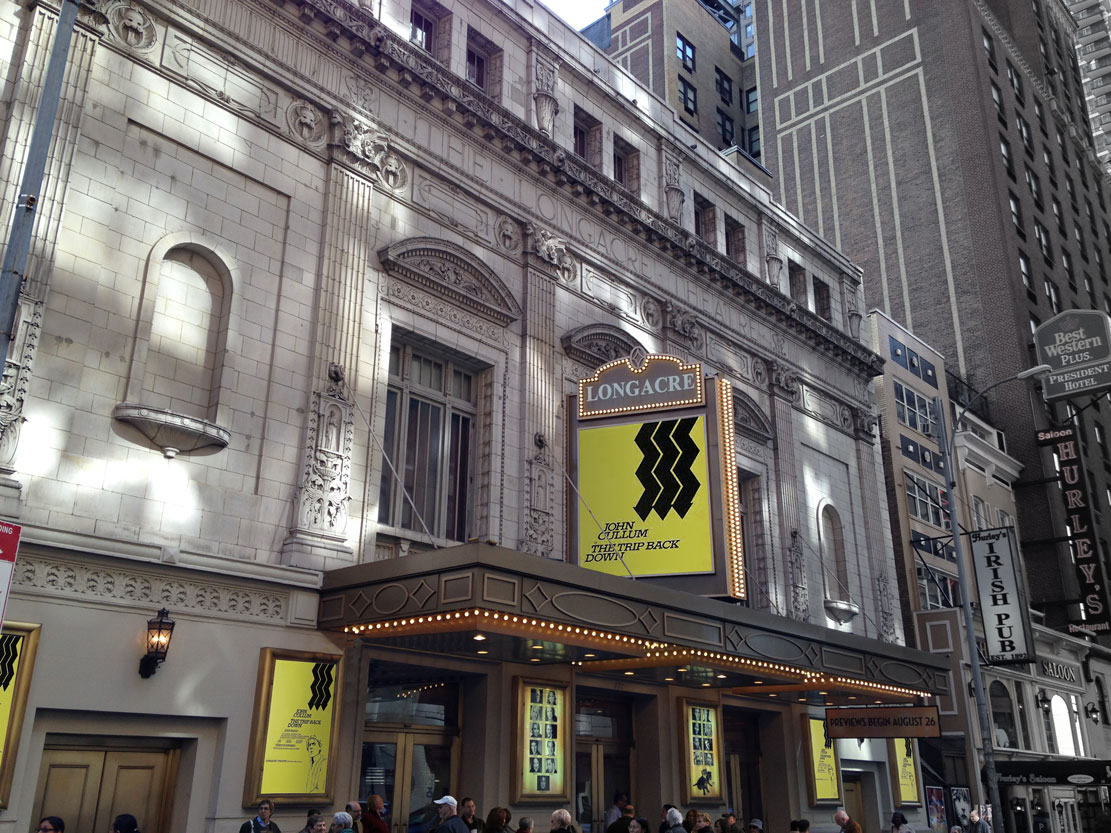
Box Office
When his first attempt at big city theater suddenly hit the big time, John commented about how new it was to him to be a celebrity and sought after. He was a working class playwright—not that different in so many ways from the factory workers he knew as a kid and wrote about as an adult.
He worked hard, he worked long hours and dedicated to himself to his labor. He would be the first to tell you how necessary it was to moonlight in order to make ends meet.
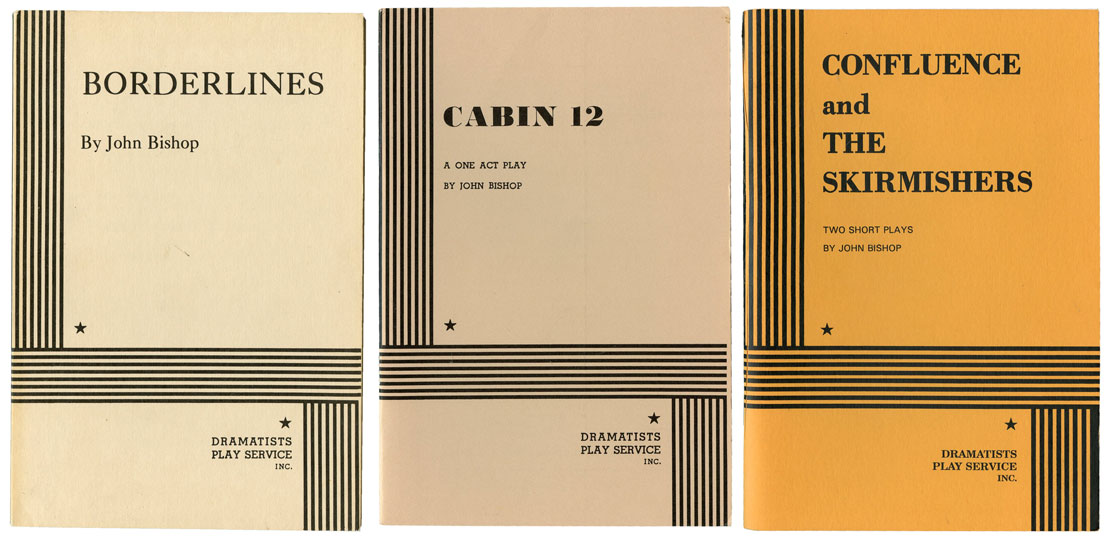
Fortunately, the creative directors at Circle Repertory Company recognized his untapped genius for words and immediately engaged him to be their Resident Playwright. During the 1980s, this off-Broadway stage was wildly experimental and successful which gave him the opportunity to write and direct new plays every season.
This series of plays, while more or less successful in terms of longevity at drawing audiences, were, nonetheless, always critically acclaimed and admired. And in nearly every one can be easily found a response to his Mansfield roots.
His attitude toward Mansfield is, as with all this writing, wholly honest: there is a wistful fondness, no doubt, but it is not wearing blinders at all. Some of the characters are experiencing serious Midwestern angst, with values and dreams that aren’t matching their lives.
He was really disappointed about coming back to town in the 1980s and finding it so torn down and abandoned. It served as a perfect poetry for his characters, who were leveled and missing pieces.
What he’s really good at, though, is revealing that pain, that confusion, and then—through a mastery of crisis and catharsis—lifting it to a higher plane of rightness, of meaning and worthwhile sacrifice to wholeness.
Movie Scripts
When John Bishop sold his first screenplay for a sizeable check, he made it clear to his friends, as a kind of apology, that his work for Hollywood was done solely in order to support his life in the legitimate theater. Ultimately, however, he moved to Los Angeles.
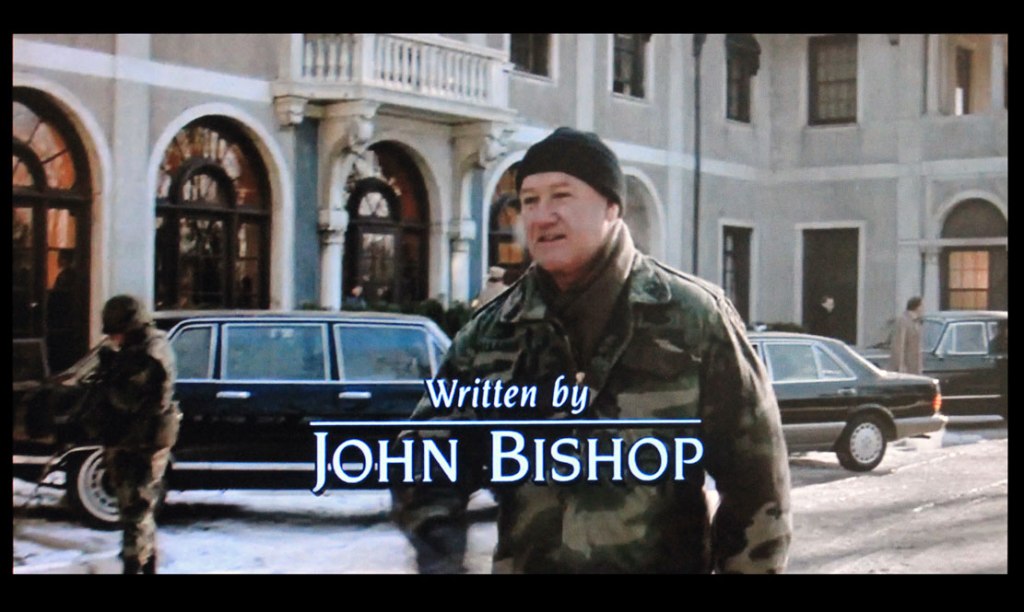
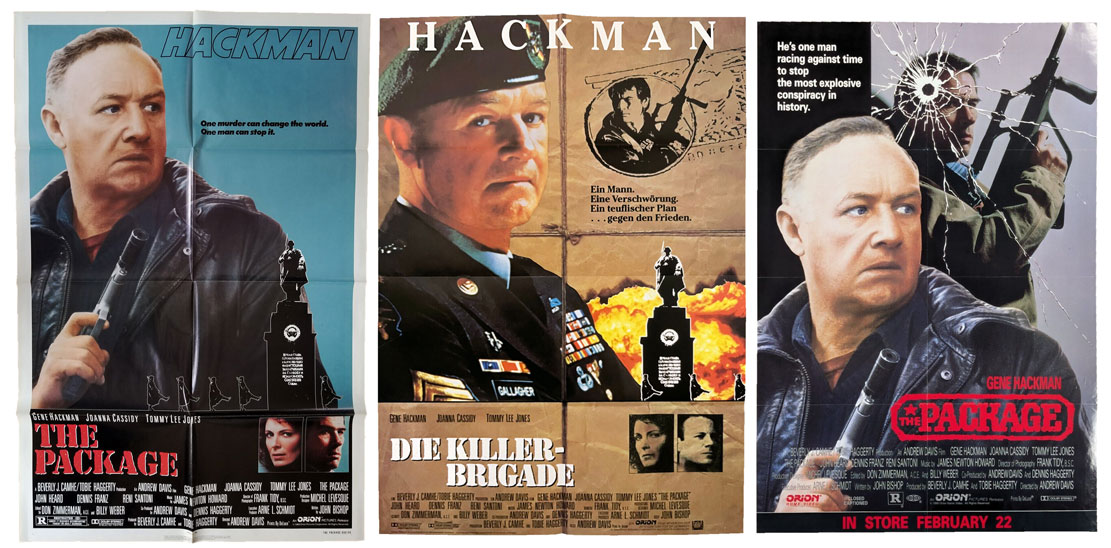
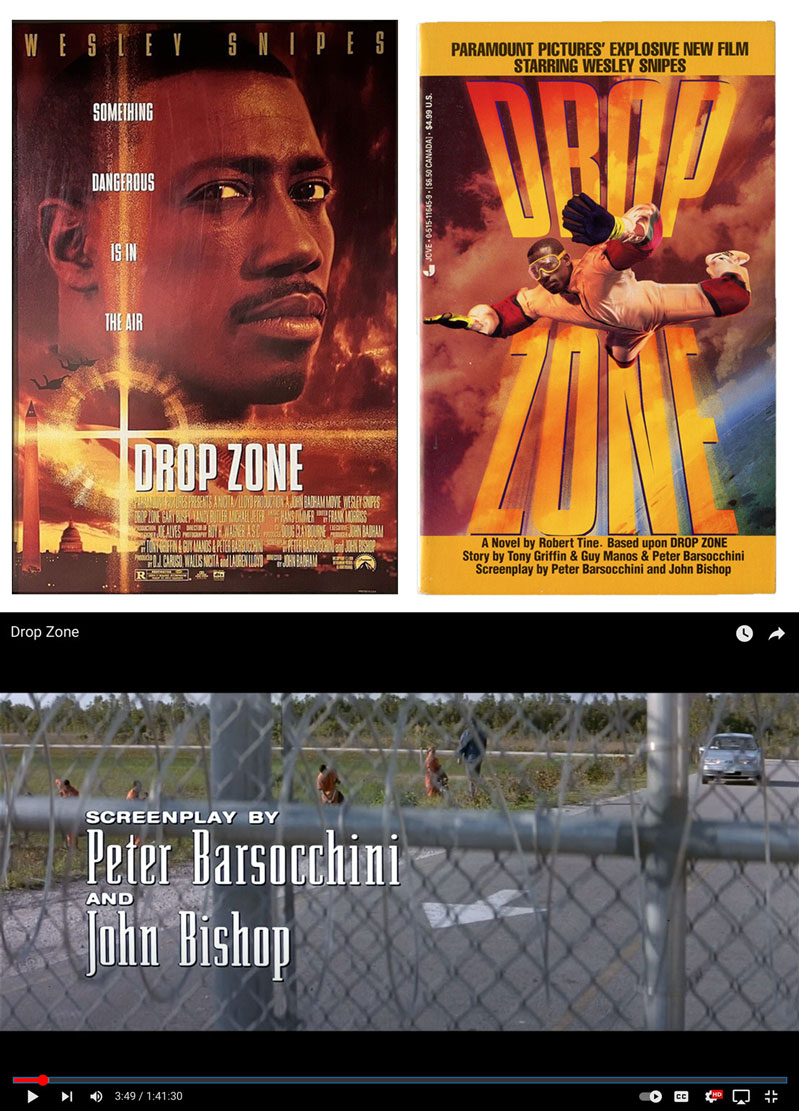
His movies, of course, address a world very different from that of the Mansfield plays—one is a spy thriller, another a crime suspense action film. But once you know John Bishop’s work you’ll recognize his hometown even in those movie scripts.
Characters still have those Mansfield Senior High names. You’ll hear those Westinghouse phrases coming out of Gene Hackman or Wesley Snipes.
A Legacy For All Seasons
One reason John Bishop’s plays were so powerful when they were produced in New York was because they were very timely, and, while the stories addressed timeless issues of human character, they often made reference to popular culture—celebrities, politicians, television shows, advertising—of the 1980s. Consequently, as time moved on, most of the scripts went on the shelf.
There is one play, however, that it continually reborn every theater season across the country. At almost any given time you can find a staging of this John Bishop play by some community theater, college, High School class, or professional troupe.
It’s called The Musical Comedy Murder Mystery of 1940.
He wrote it in 1988 for Circle Rep, but it quickly proved to be so popular that it opened right away on Broadway.
It is a fun production for both the audience and the actors, and has lost no steam at all in recent years.
So, while John Bishop’s influence in the world of drama has left the stage, his name is still on the posters outside theaters all across America.
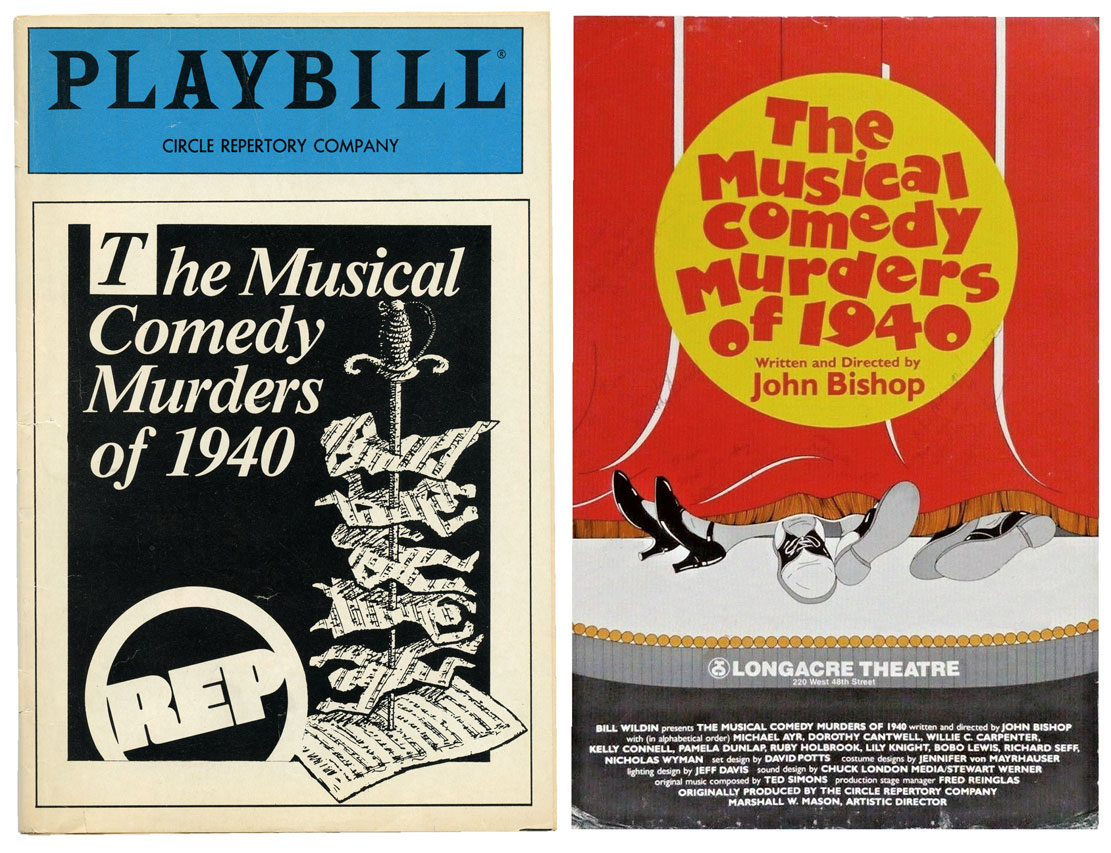
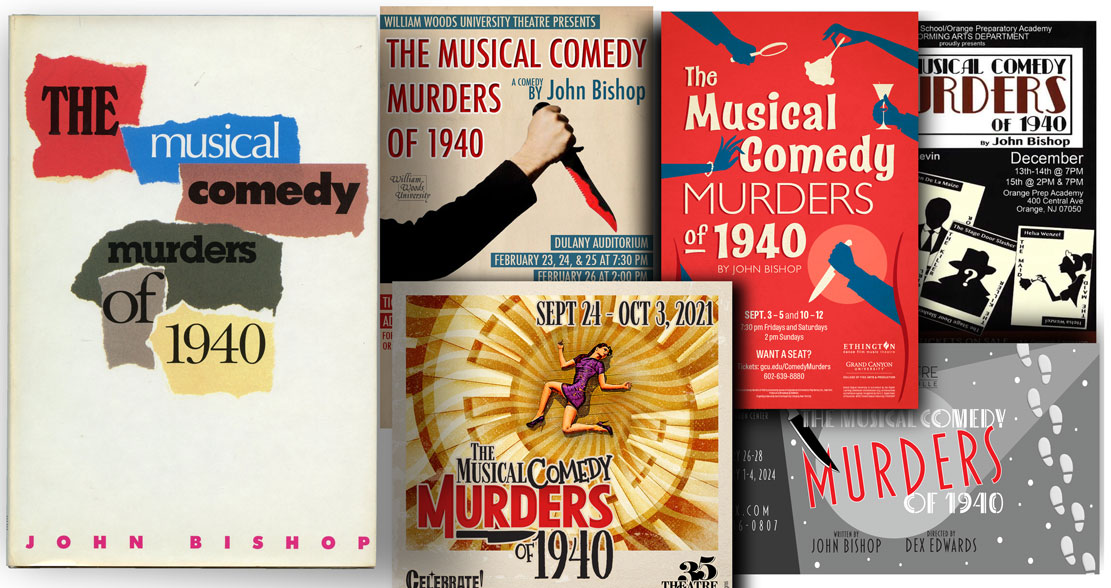

Every time this play takes the stage is a tribute to two Mansfielders: John Bishop, of course, and his first acting director at Children’s Theatre, Hal McCuen, who gives his name to one of the characters.
Arlington Avenue 1939:

John Bishop was born in Mansfield and he grew up on Arlington Avenue in the 1930s and ‘40s when there were fewer cars and much less traffic, so they could play baseball right out in the street. A few decades later, when he was a well-known American playwright, he was commissioned by the national Baseball Hall of Fame to write a script for the museum’s multimedia auditorium. Here is a clip from the beginning and the ending of that film, which clearly presents his Arlington Avenue childhood to the entire nation:
Thank You
Information, inspiration, and artifacts in this article have been gleaned from innumerable sources, including Jean Elias, Jeannine and William McKee, Tom Nixon, Jay Herbert, Lisa Bishop, Hal McCuen, Dalton Derr, Jim Lewis, Jo Ann Brucato Barlow, and Mark Hertzler.
 Richland County History