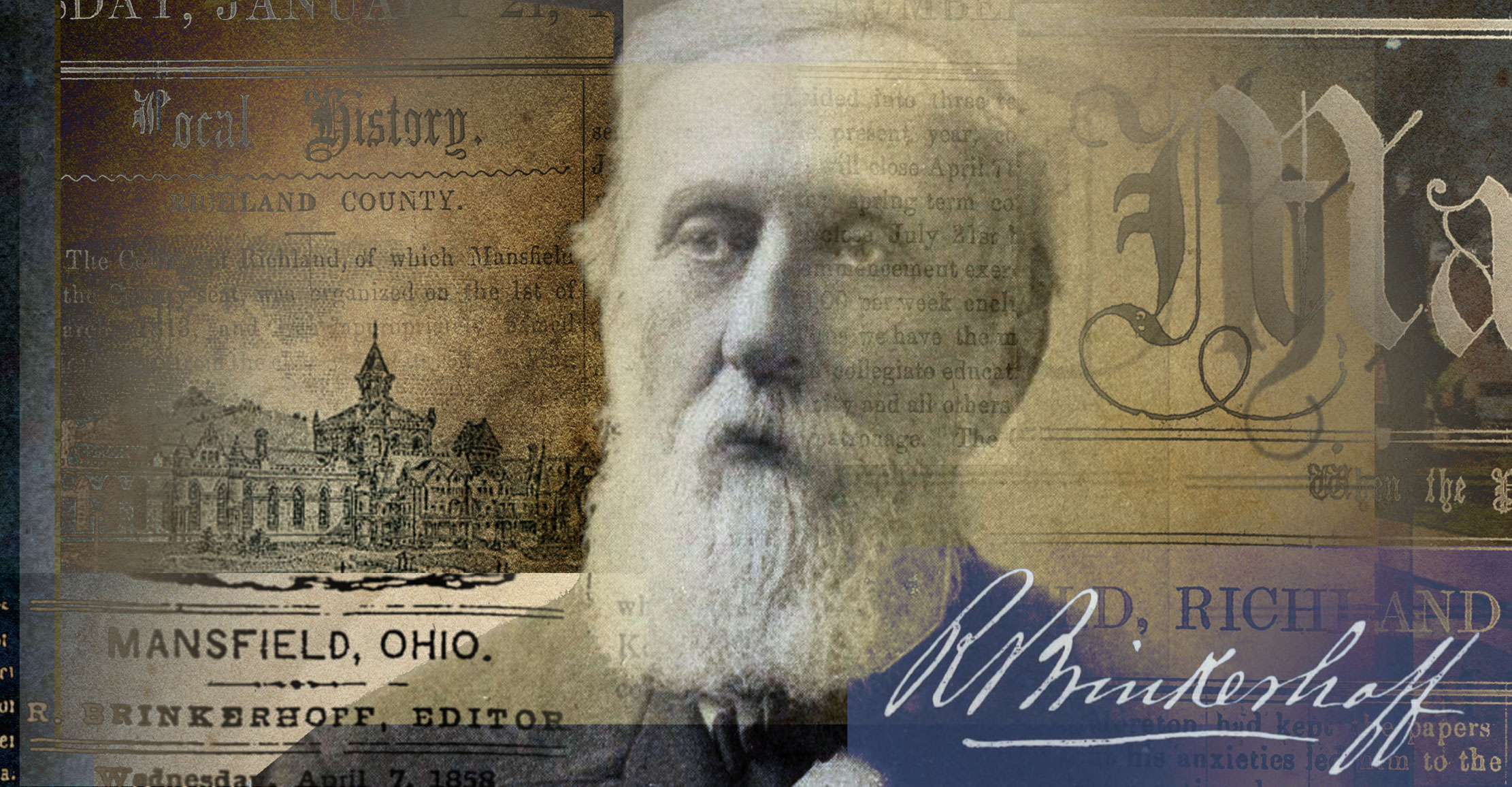
It takes a great many different people, and a widely diverse array of personalities and talents to build the identity of a community as richly interesting as ours, but there are, unquestionably, a few very specific individuals whose influence shaped the course of how our town evolved.
One of these was Roeliff Brinkerhoff.
He had a spirit and intellect that in-forms our city to this day, though he has been gone well over a hundred years; and he is still quoted by journalists and historians every year in April because his words bring immediacy to one of America’s most pivotal moments: the assassination of Abraham Lincoln. Brinkerhoff was there. And he was a journalist and historian himself who understood the power of words and narrative and history.
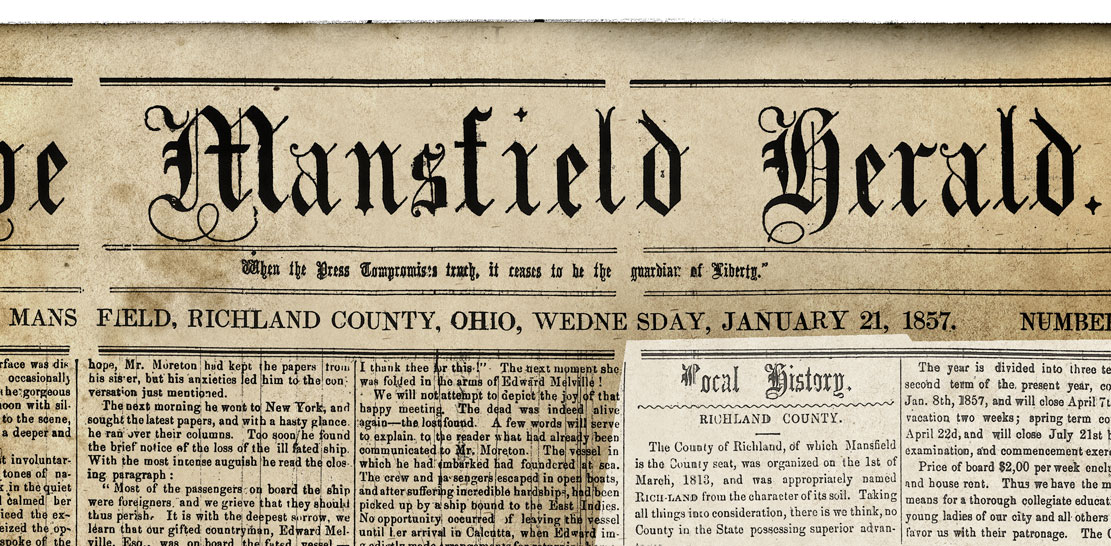
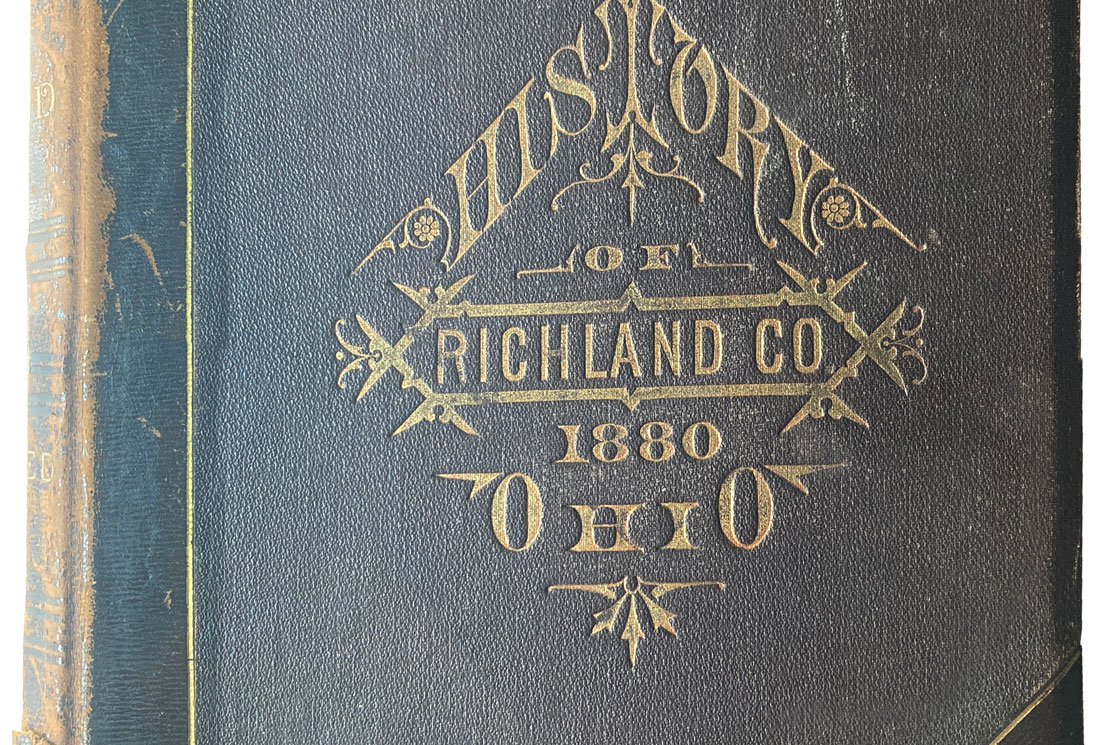
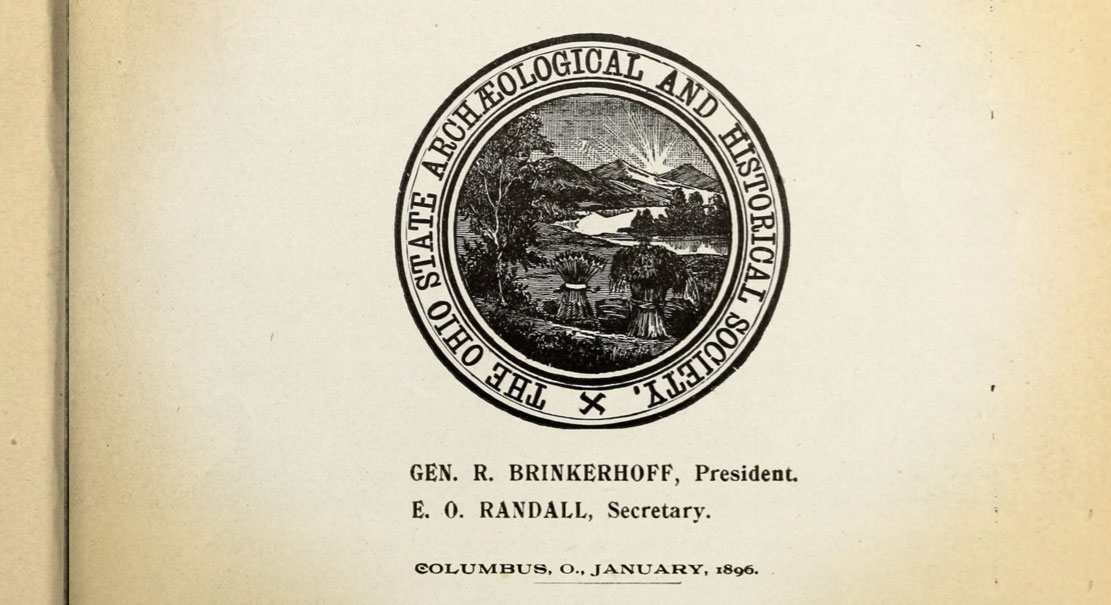
As the publisher and editor of a progressive newspaper in the years leading up to the Civil War, Brinkerhoff used his words to hammer equality and justice into the framework of his community’s daily news. If that was all he had accomplished it would have placed him into the county’s everlasting gratitude; but he also recognized that yesterday’s news was just as important in its own way, and so his Mansfield Herald became the platform for collecting old stories of the early pioneers. Thereby he founded the Richland County Historical Society, and subsequently, the State historical society known today as Ohio History Connection.
He had a passion for righteousness that could hardly be contained within the Town of Mansfield, and his passion for the dignity of all Americans took him to influence a much broader spectrum of humanitarianism when he turned his mind to prison reform, and mental health that influenced the whole nation.
Fate
He was born in New York State and orphaned young, so the path of his early life leading him to Mansfield was directed by the vagaries of opportunity and fate.
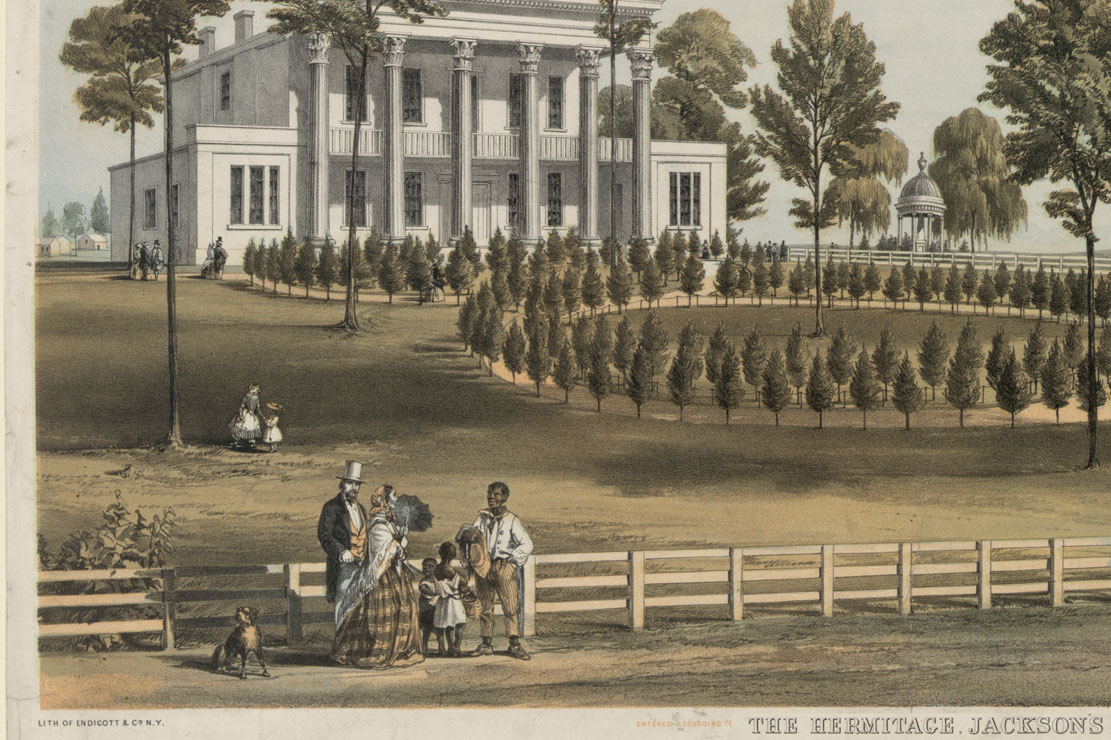
As a young man, he was selected to be the school teacher for the grandchildren of President Andrew Jackson. He lived at the Hermitage.
It was while he was in residence there in Nashville that young Brinkerhoff made his first small steps toward instructing his heart, so as to eventually influence the heart of the nation.
The estate where he had his classroom came with fifty enslaved servants, and during his residency he was slowly inculcated into the Southern sensibilities of the Slave culture until he understood its benefits. He came generally to accept that lifestyle until the day he had a conversation with the plantation overseer, who was Black. When Brinkerhoff suggested that the life of a slave wasn’t so bad the man asked him one simple question: How would you like to be a slave?
It was this moral law of reciprocity which took possession of him that day, and governed his works the rest of his life.
For someone who grew up in the American North, the humanitarian principle of Abolition was not a difficult concept, but he was employed in the American South where it was evident that the kind of equality he envisioned for his nation was not going to happen without a great deal of political persuasion.
So he determined to become a lawyer.
The Law
The plan was to study law in the East, and Brinkerhoff had a place prepared at Harvard, when his trajectory was redirected by an unforeseen serious case of the measles. Instead of college, he went to make a long recovery at the home of his uncle, who happened to be a lawyer; and who happened to live in Mansfield OH.
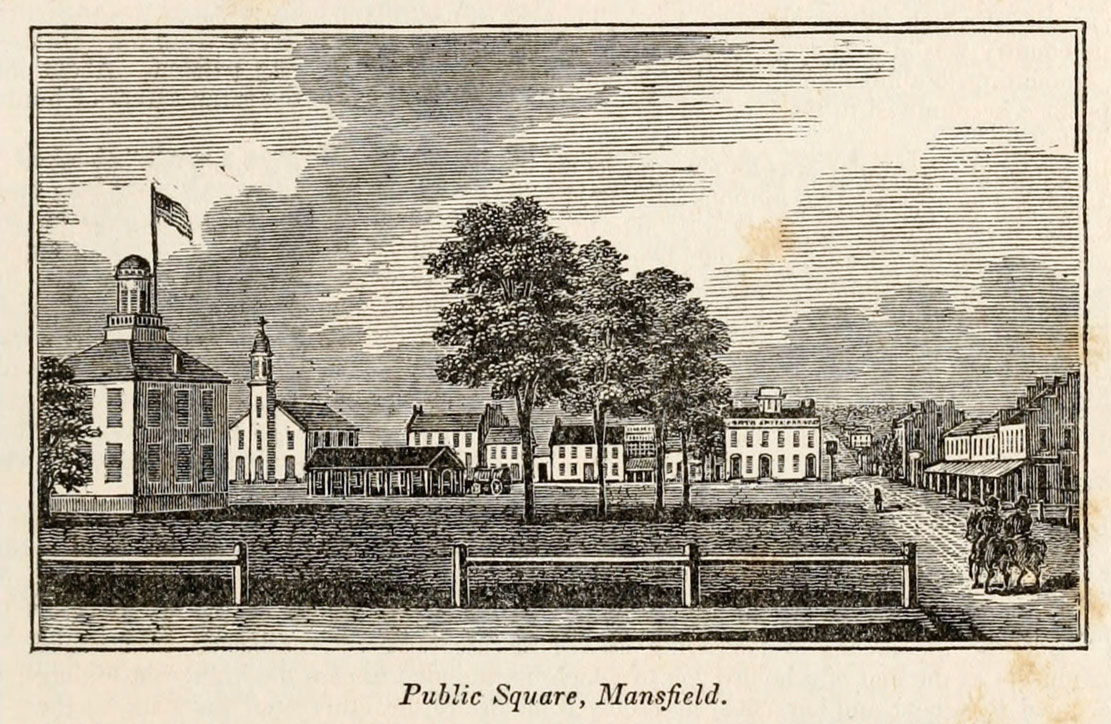
Their law office was located on the Square, as it looked in this 1846 woodcut.
Brinkerhoff began his career as an attorney, and his law practice kept him busy enough so he didn’t see fate approaching once again.
His good friend, who ran one of the newspapers in town, fell ill and needed to leave town, so Brinkerhoff watched over the Mansfield Herald in his absence. When Brinkerhoff saw his editorial content being reprinted in papers all over the U.S., he bought the Herald and began a new career of broadcasting his values to the readers of America.
War
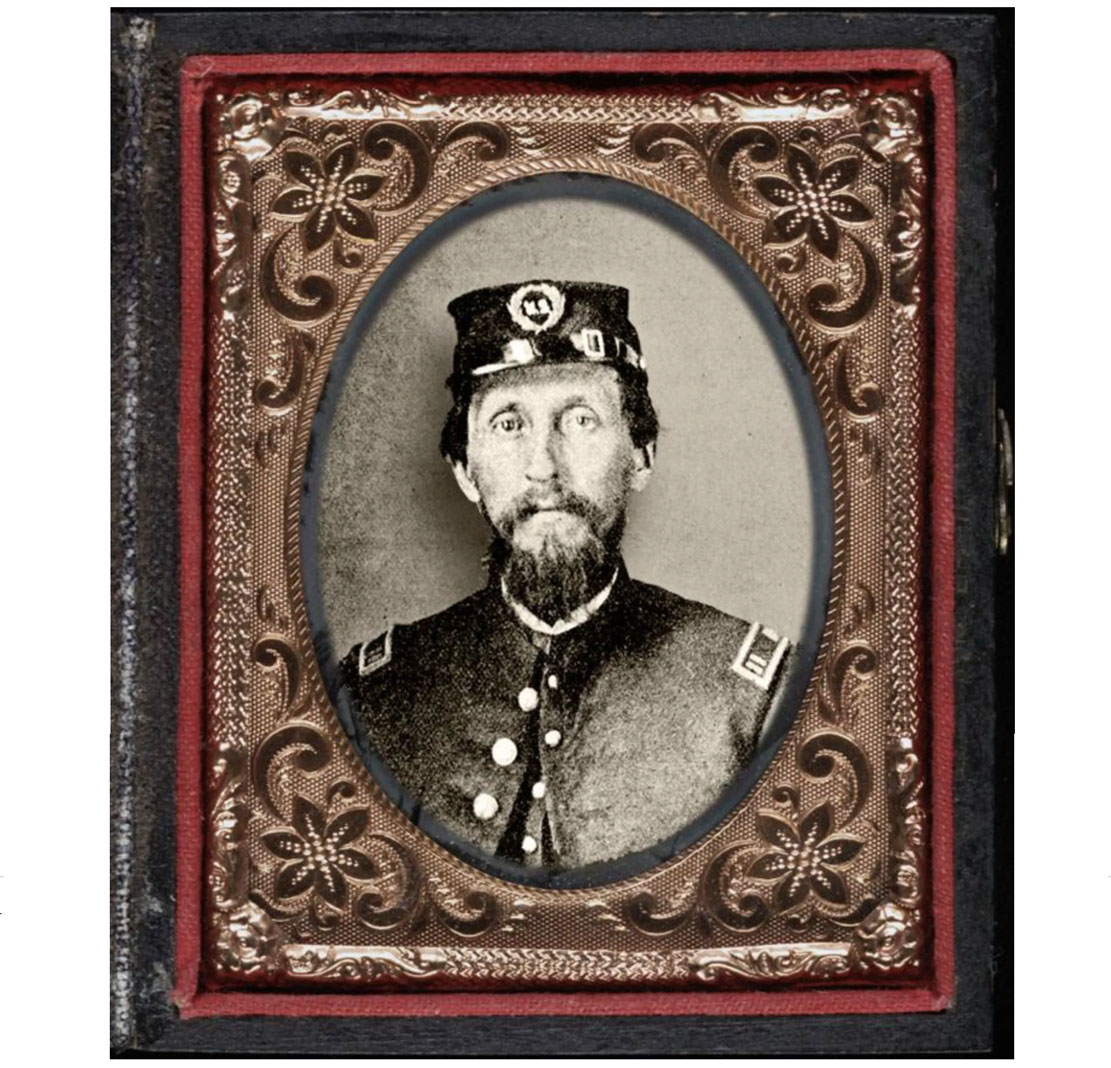
By the time the War came in 1861, Brinkerhoff had become a comrade of Mansfield’s Senator John Sherman, and it was the Senator who talked him into using his influence to assist in establishing the Sherman Brigade. As its temporary Quartermaster, Brinkerhoff’s law office turned into a recruiting center. Deeming him too valuable to leave behind, Brinkerhoff was ultimately given an official commission by Senator Sherman’s friend, Abraham Lincoln.
As the tides of war washed over the land, it carried him off until he found himself four years later as a Colonel in Washington DC, and then in Ford’s theater on that fateful night.
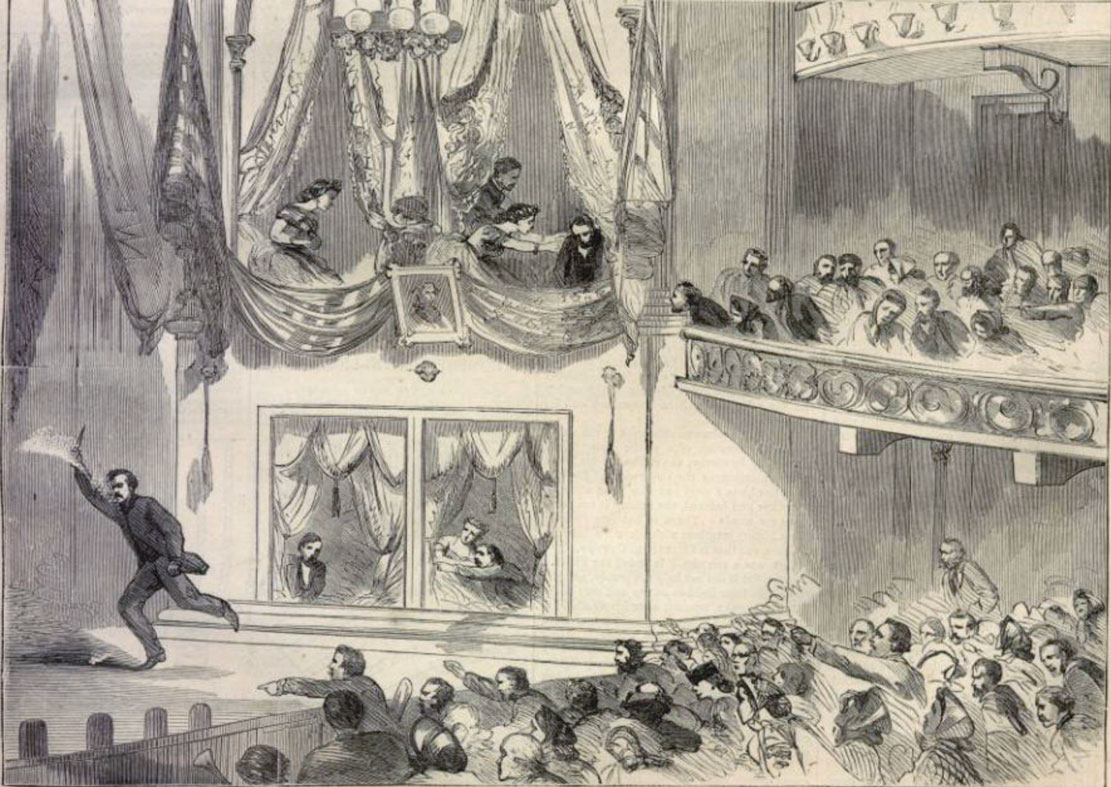
Cultural Elevation
Following the War, Brinkerhoff was honored with an honorary rank, so it was as General Brinkerhoff he was able to open doors in politics, banking and philanthropy. His passion in mid-life became prison reform, and the earnestness with which he approached the work can be seen in his research: within four years he visited every state prison in the nation, as well as many in Mexico, Canada, and Western Europe.
It was through his concerted efforts that the State of Ohio developed its first Intermediate Penitentiary where young convicts could be provided an opportunity to become educated and embark on a trade, in their own facility away from hardened criminals.
The culmination of Brinkerhoff’s mighty humanitarian crusade was the Mansfield Reformatory.
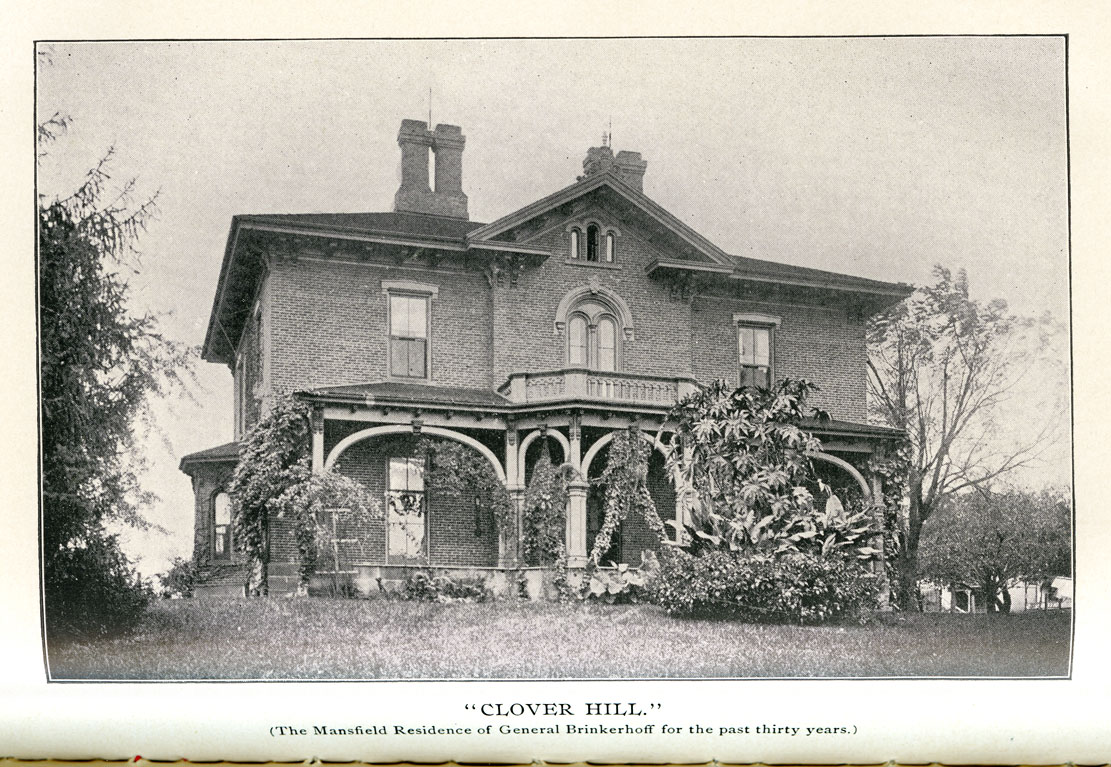
Though the prison aspect of his effort is no longer part of the institution, the place is, nonetheless, today a globally recognized landmark that serves Mansfield powerfully as a venue and destination. Roeliff Brinkerhoff might be amazed to see how the child of his influence has evolved through time, yet remains culturally significant because of the dignity he chose to integrate into its concept.
It is his passionate sense of decency, grace and equality that shaped the character of our town.
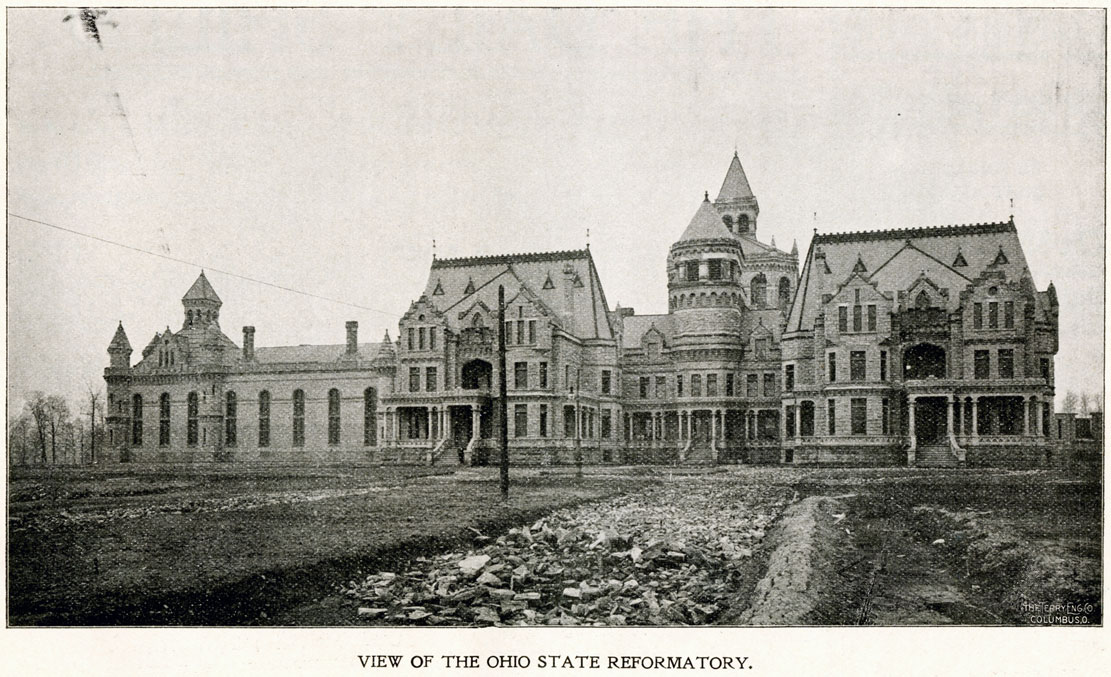
This is how OSR looked in its uncompleted state when it opened in 1896.
NOTES:
To list Brinkerhoff’s accomplishments in later life is to watch the town of Mansfield acquire the cultural mandates of a bona fide city. It was Brinkerhoff who began the Lyceum, bringing speakers to town the magnitude of Ralph Waldo Emerson and Frederick Douglass. It was his Lyceum board who laid the foundations for Mansfield’s Public Library.
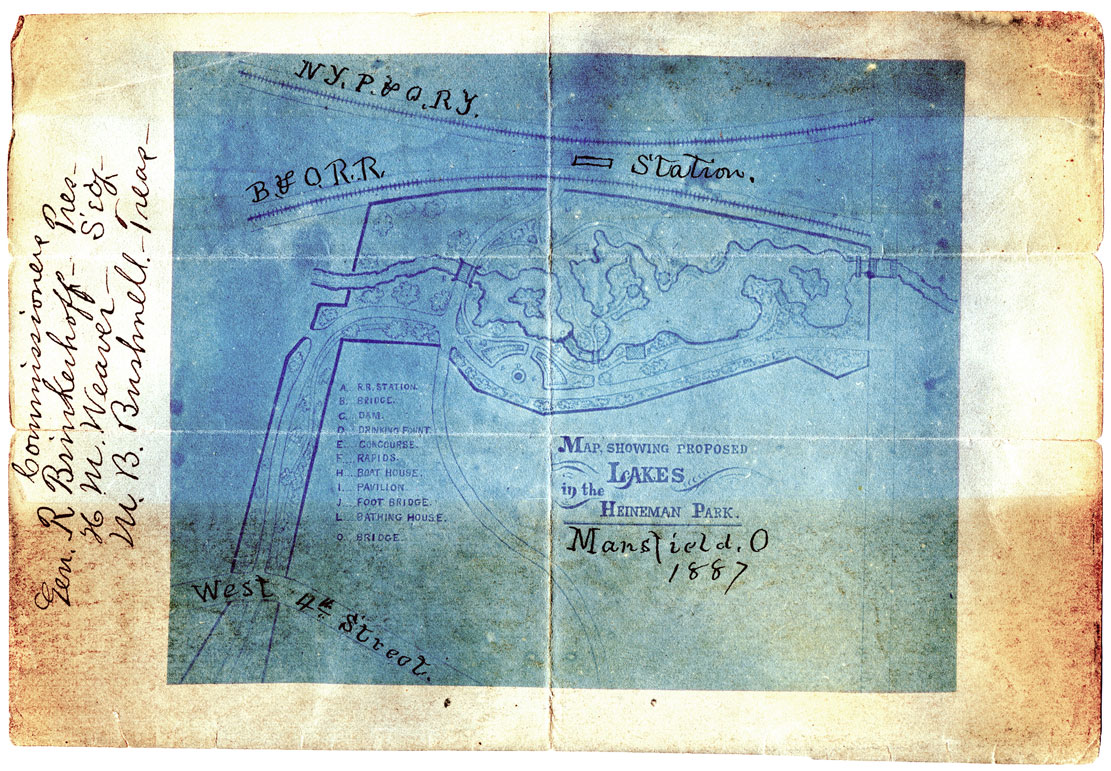
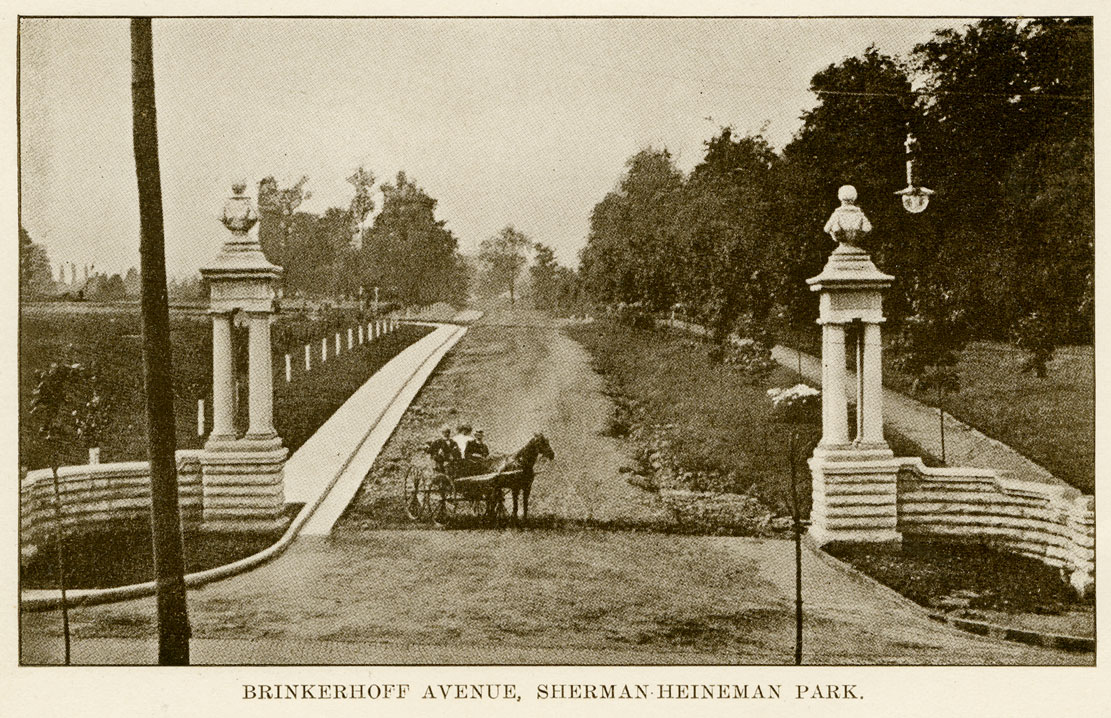
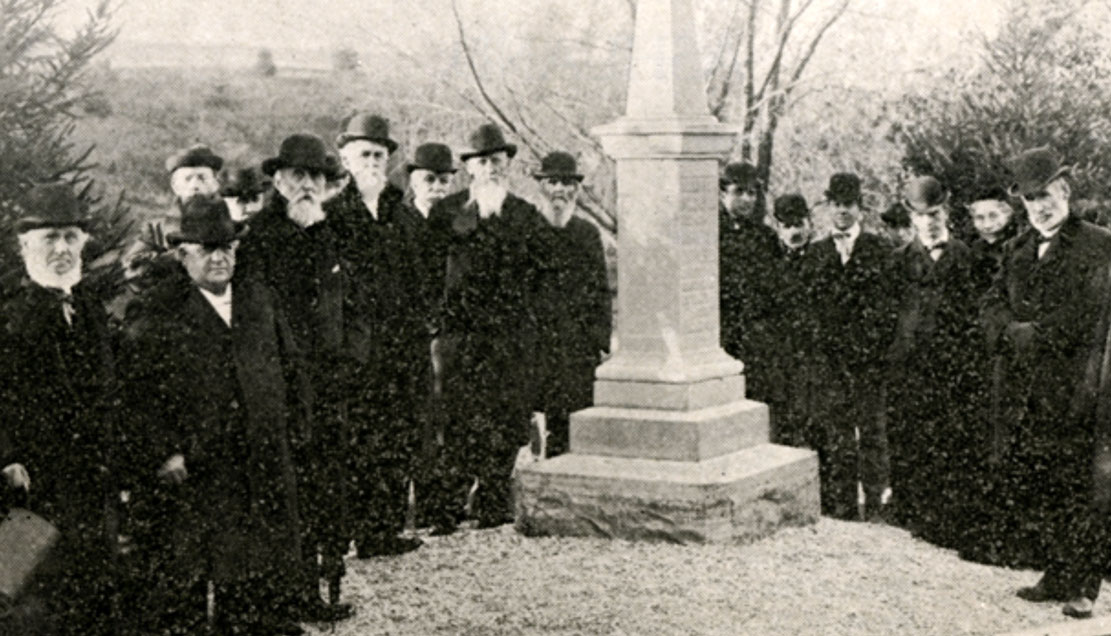
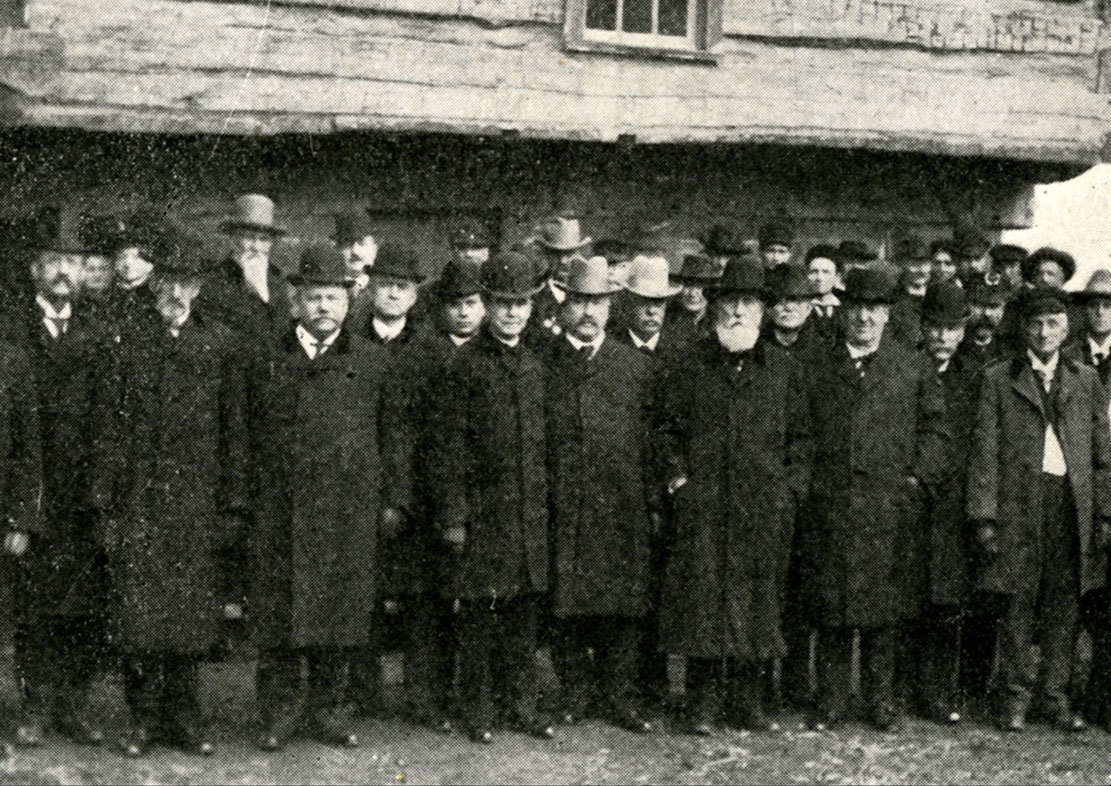
He is easily spotted toward the left in this group of dignitaries dedicating a monument to the memory of Johnny Appleseed in 1900.
Thank you:
Images, information, and inspiration for this article came from many sources, including John Stark, Alan Wigton, Blair McClenathan, The Sherman Room of the Mansfield/Richland County Public Library, Richland County Chapter Ohio Genealogical Society, Phil Stoodt, Virgil Hess, Marge Graham, and John Baxter Black.