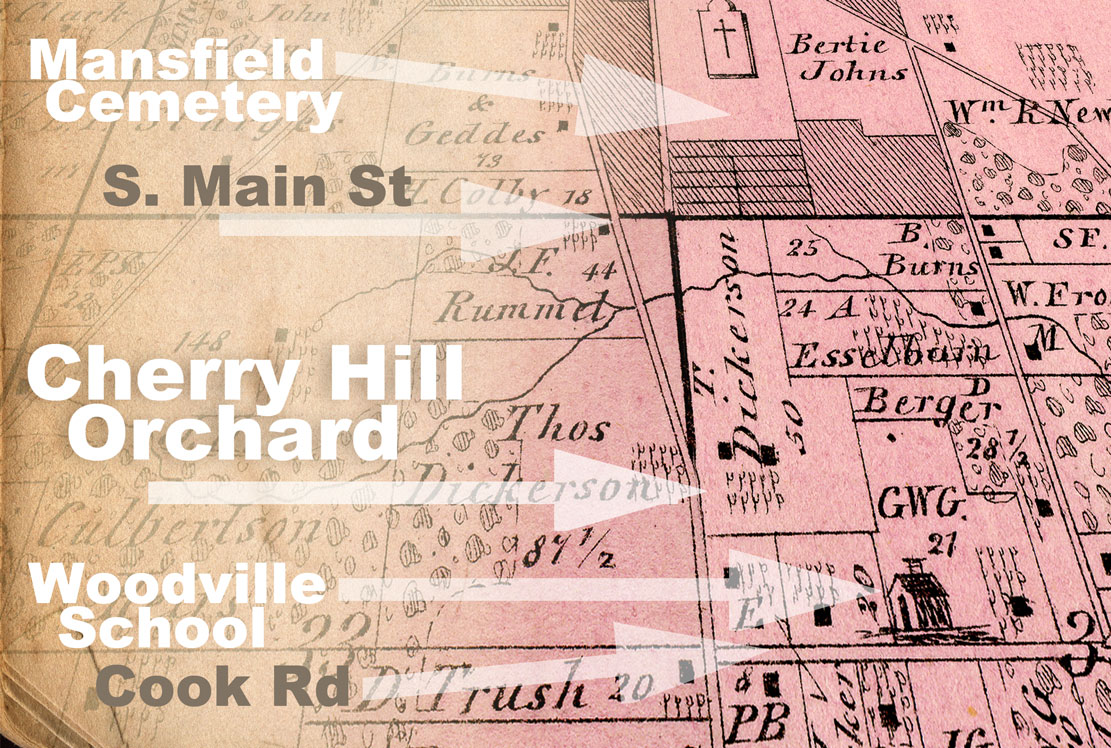
Leaving Mansfield a hundred years ago headed out South Main Street, you would pass the last neighborhood near the cemetery and then descend to a small valley. Today that valley is where the Route 13 ramp cuts east, but back then it was just a country glen. After that, continuing south, the road took you uphill.
Driving up toward Cook Road you were climbing Cherry Hill.
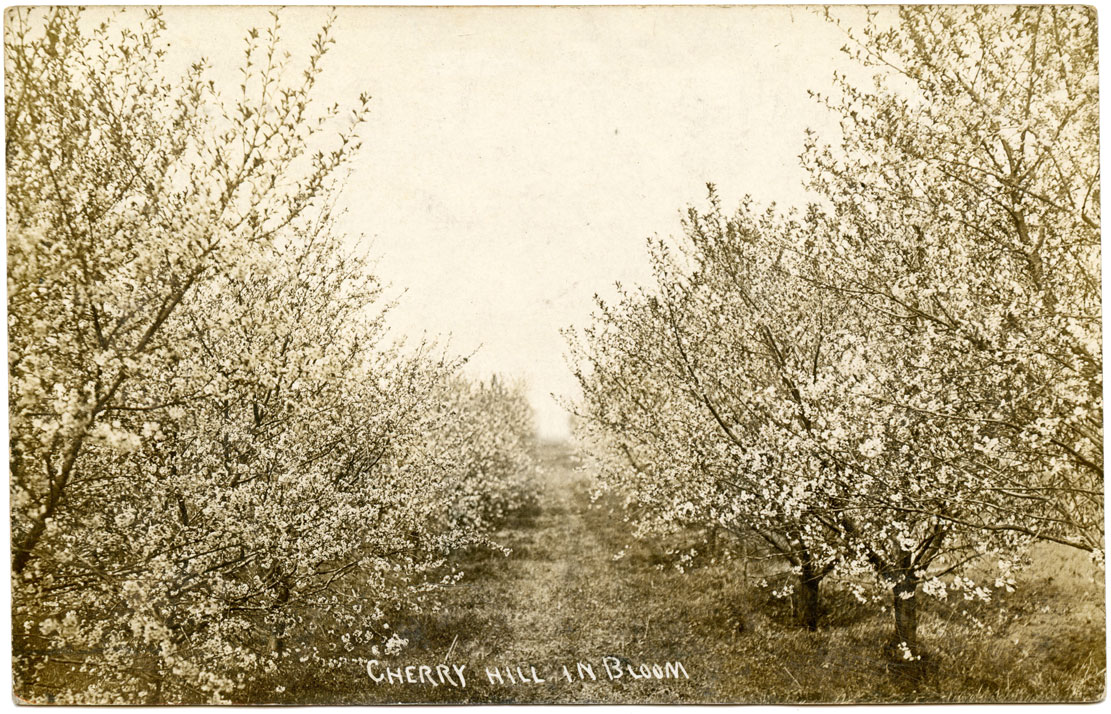
It came by that name honestly—there was, indeed, an old grove of cherry trees up there, and every fortunate orchardist always plants his fruits as high as possible above the frost.
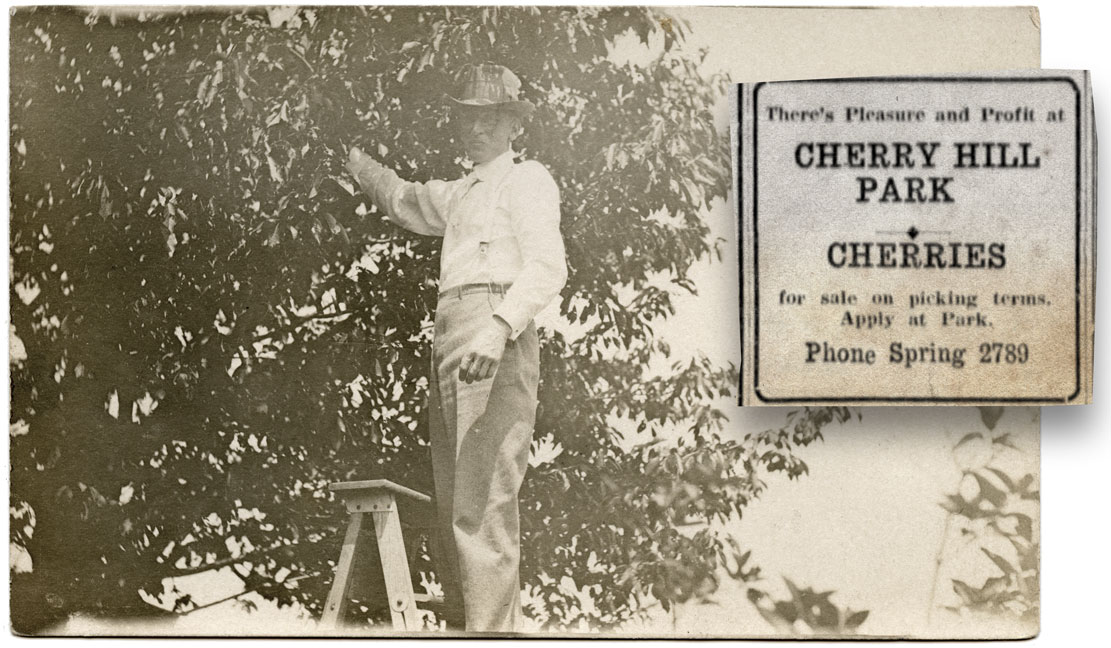
This orchardist claimed Cherry Hill was among the highest places in the State. It wasn’t exactly true, but Fred Daly was above all an excellent promoter. And his farm did have a terrific view back then, when the surrounding landscape was all farm land. And his orchard was the high ground from which Mansfield weather forecasters took temperature readings.
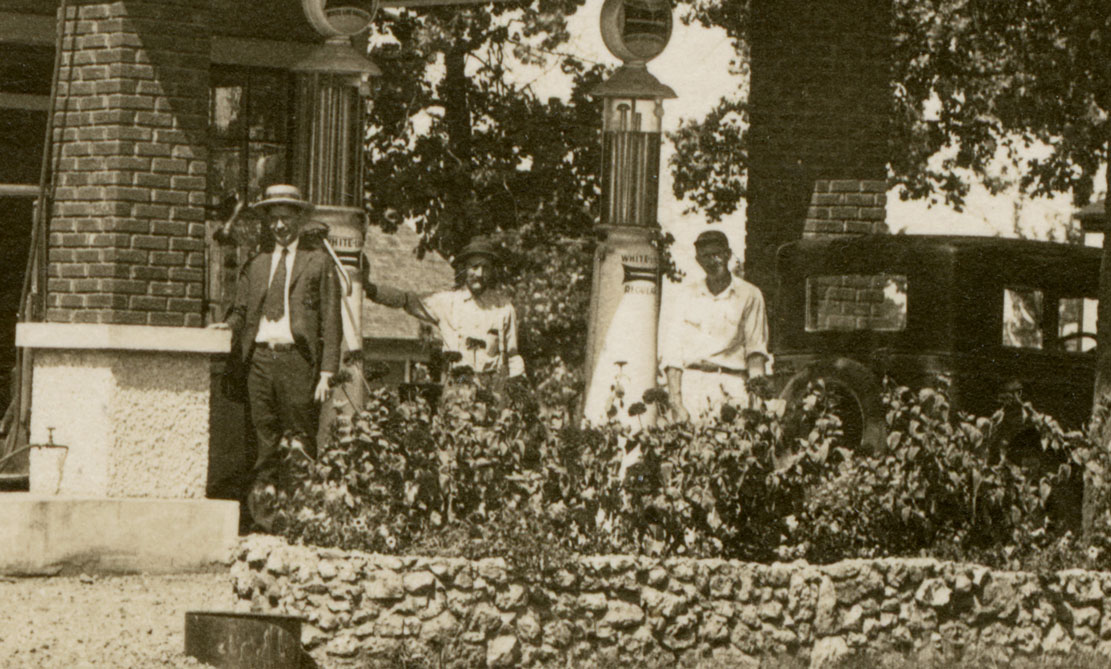
When the road reached the very top of the hill, there was a gas station. During the 1920s, that was the entrance to Cherry Hill Park.
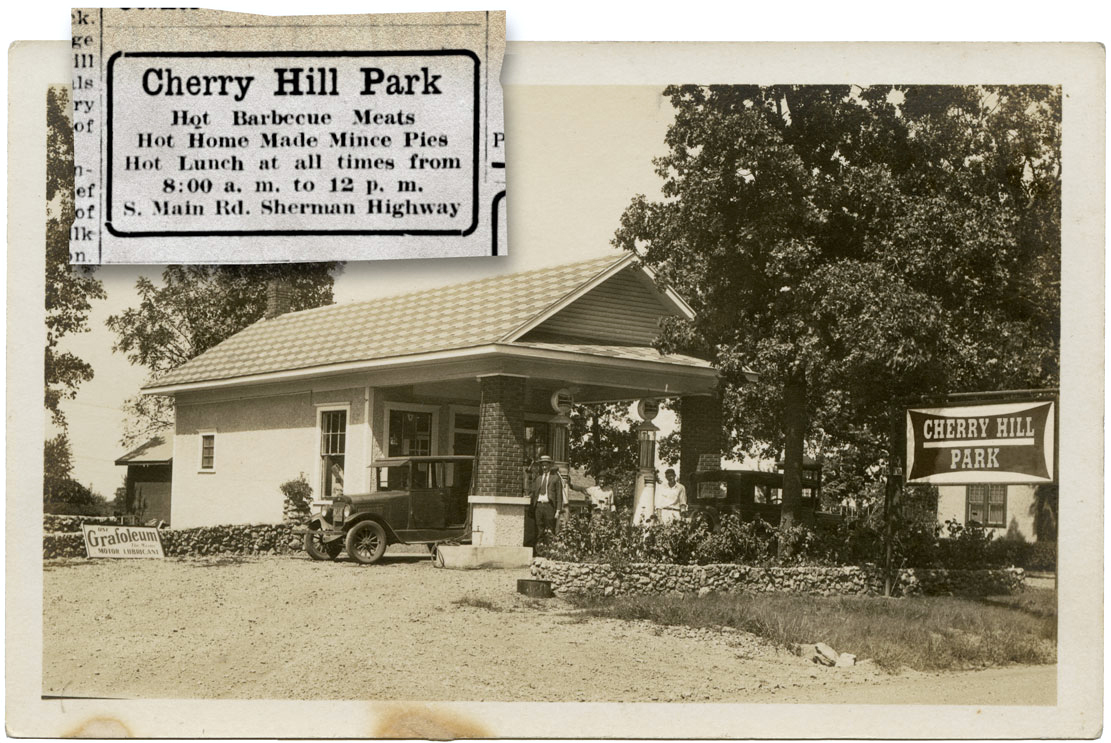
South Main Street is also Route 13, and during the 1920s it was designated as The Sherman Highway. Named for Senator John Sherman (1834-1900) from Mansfield, the road was paved from Lake Erie to the Ohio River. Fred Daly’s farm fronted on the road, and he was hoping to capitalize on all the traffic with a gas station, a restaurant, a recreational park, and an Auto Park tourist camping ground.
The Orchard
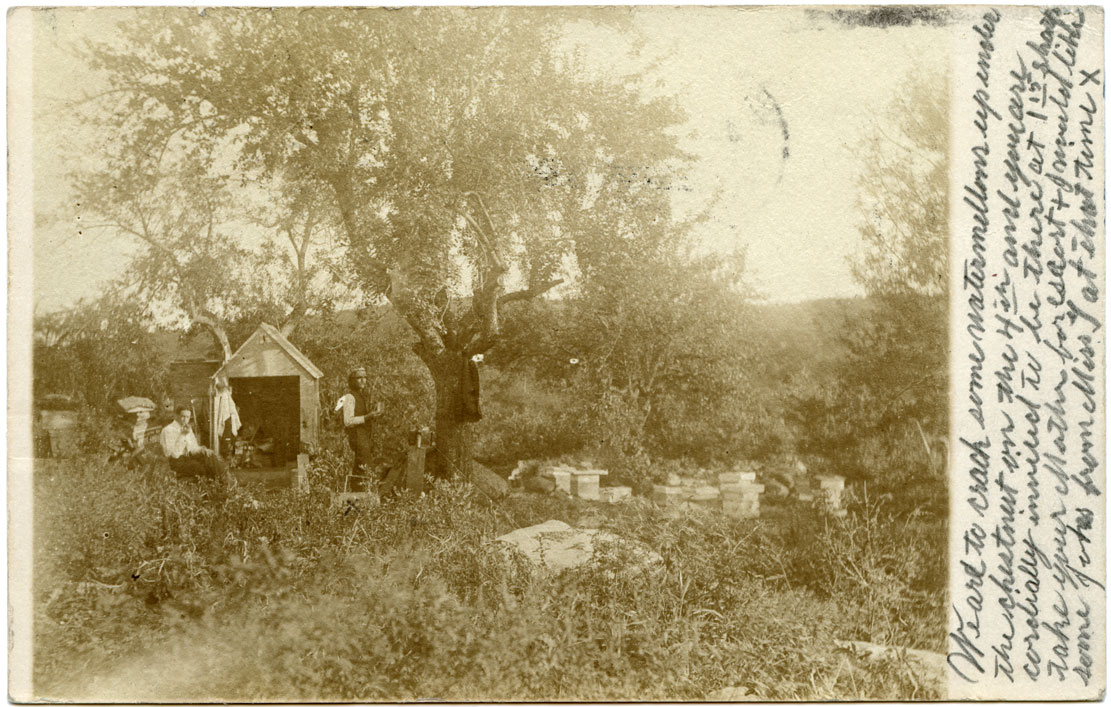
The orchard on Cherry Hill was planted in the 1860s. Along with cherries there were apples, peaches, plums, pears, chestnuts and walnuts.
When Fred Daly came into possession of the land in 1906, those cherry trees were already forty years old. By today’s standard, that would be nearly impossible, but back then the fruit trees had not yet been genetically tinkered with, and the root stock could bear fruit up to a hundred years. There were Johnny Appleseed trees around here still bearing fruit 125 years after they were planted. Some of them may well have been in the Cherry Hill orchard.
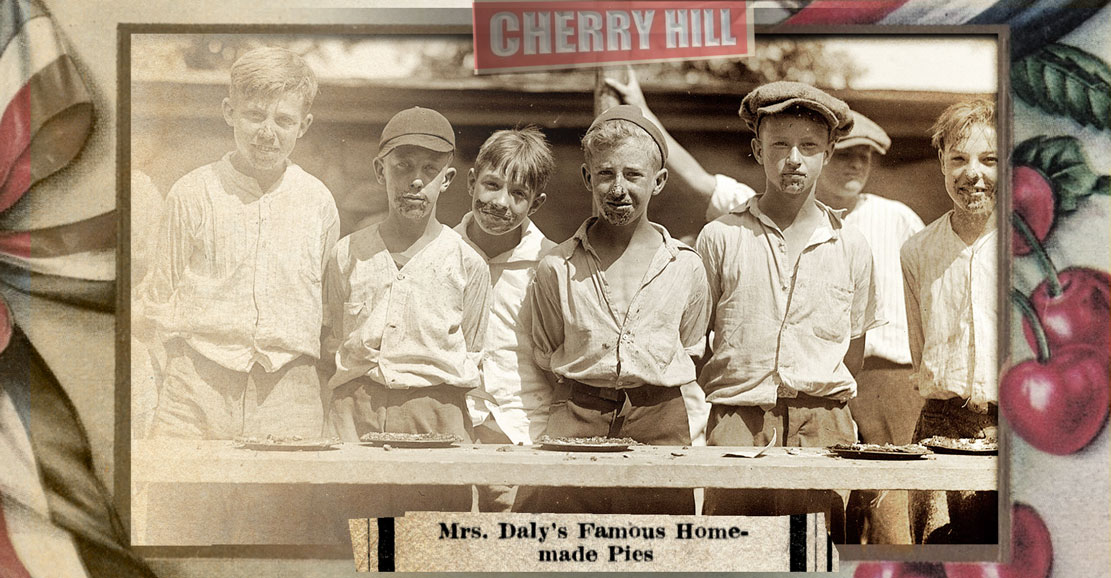
Fred Daly bought the orchard farm specifically for his wife. More specifically, for his wife’s pies.
Flora Daly & Her Famous Pies
When she came to Mansfield from southern Richland County, where she grew up outside of Newville, she was Flora Paullin. People remembered Flora because she started cooking at the Arcade restaurant and it got so popular so fast it had to move out of its tiny room on Diamond Street. When she moved, so did her customers.
The Arcade resumed business on Fourth Street.
She served dinner to a traveling vaudeville comedian one night and it was, apparently, so good he stopped traveling. He married Flora and bought an orchard so she could keep making pies. After that she was Flora Daly.
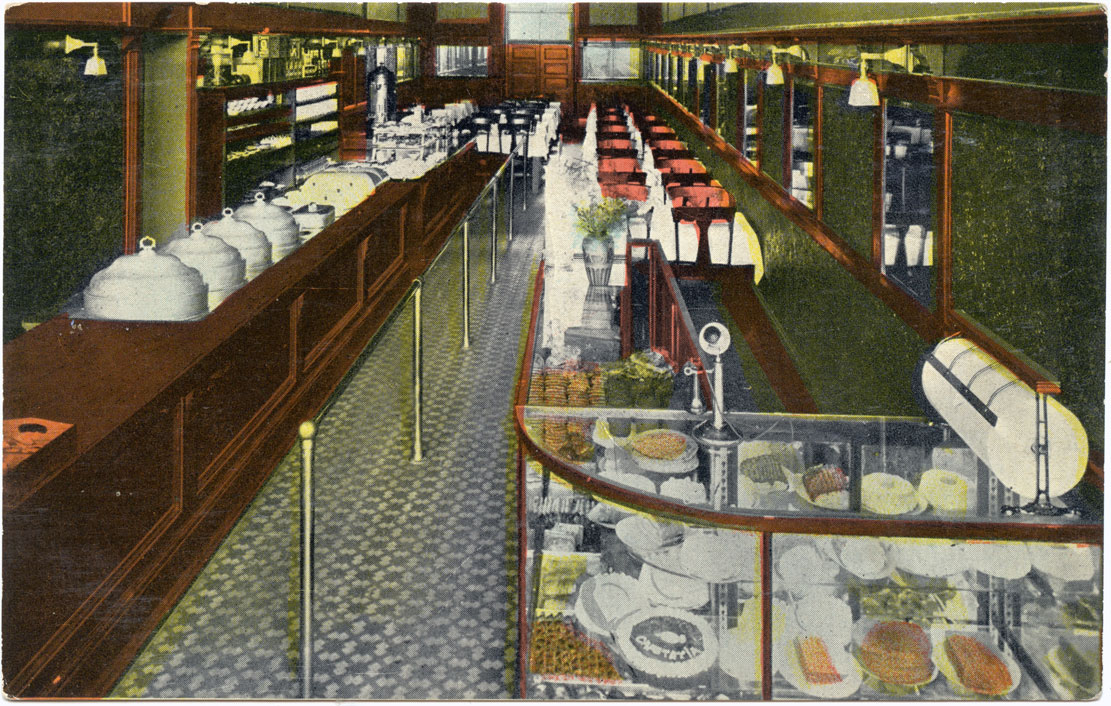
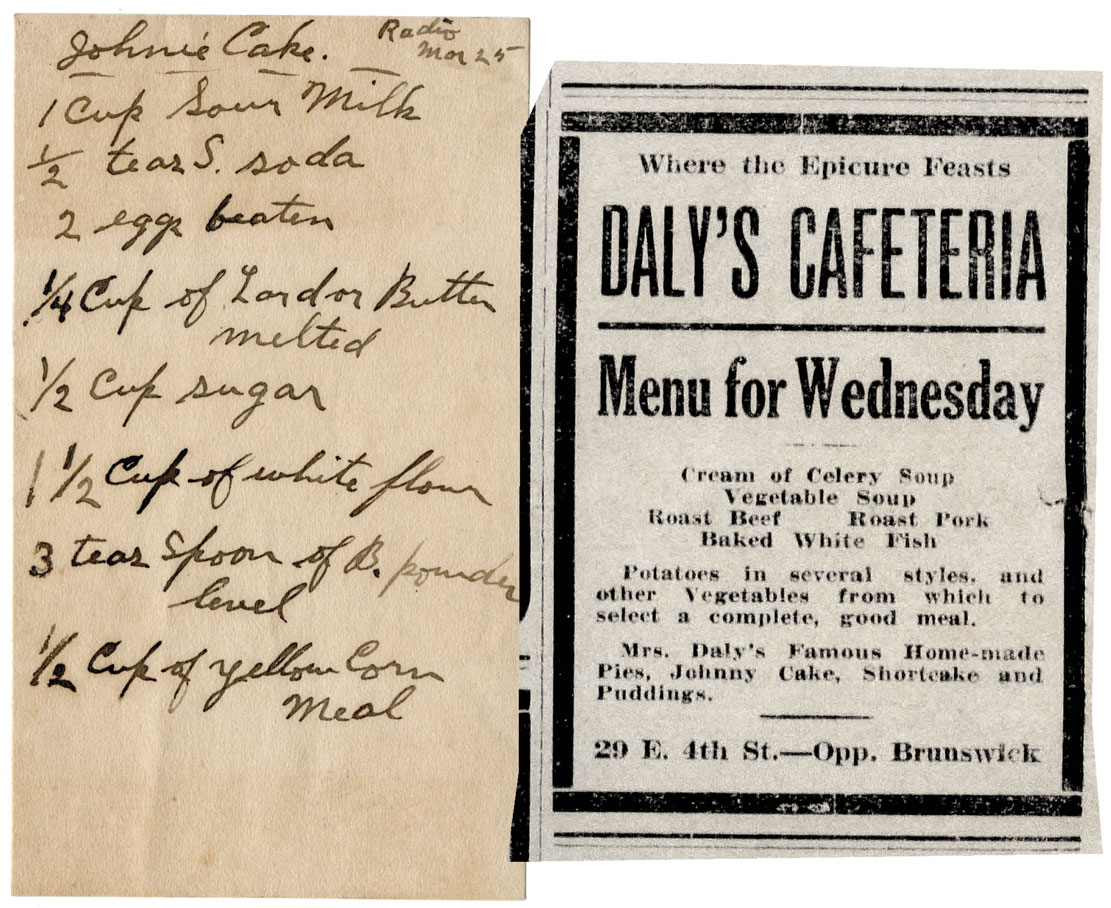
The Dalys found a place a new kitchen a few doors down on E. Fourth Street where all the new Lincoln Highway traffic stopped to eat, and opened Daly’s Cafeteria where her cooking became famous among travelers.
Advertisements from the 1920 Mansfield News announced “pie, which has been selling at 15 cents a cut will be reduced in price to ten cents.” Thereafter the place was known as the Daly Dime Cafeteria, where everything was ten cents. The News reported that the name Dime Cafeteria was copyrighted.
The Park Grounds
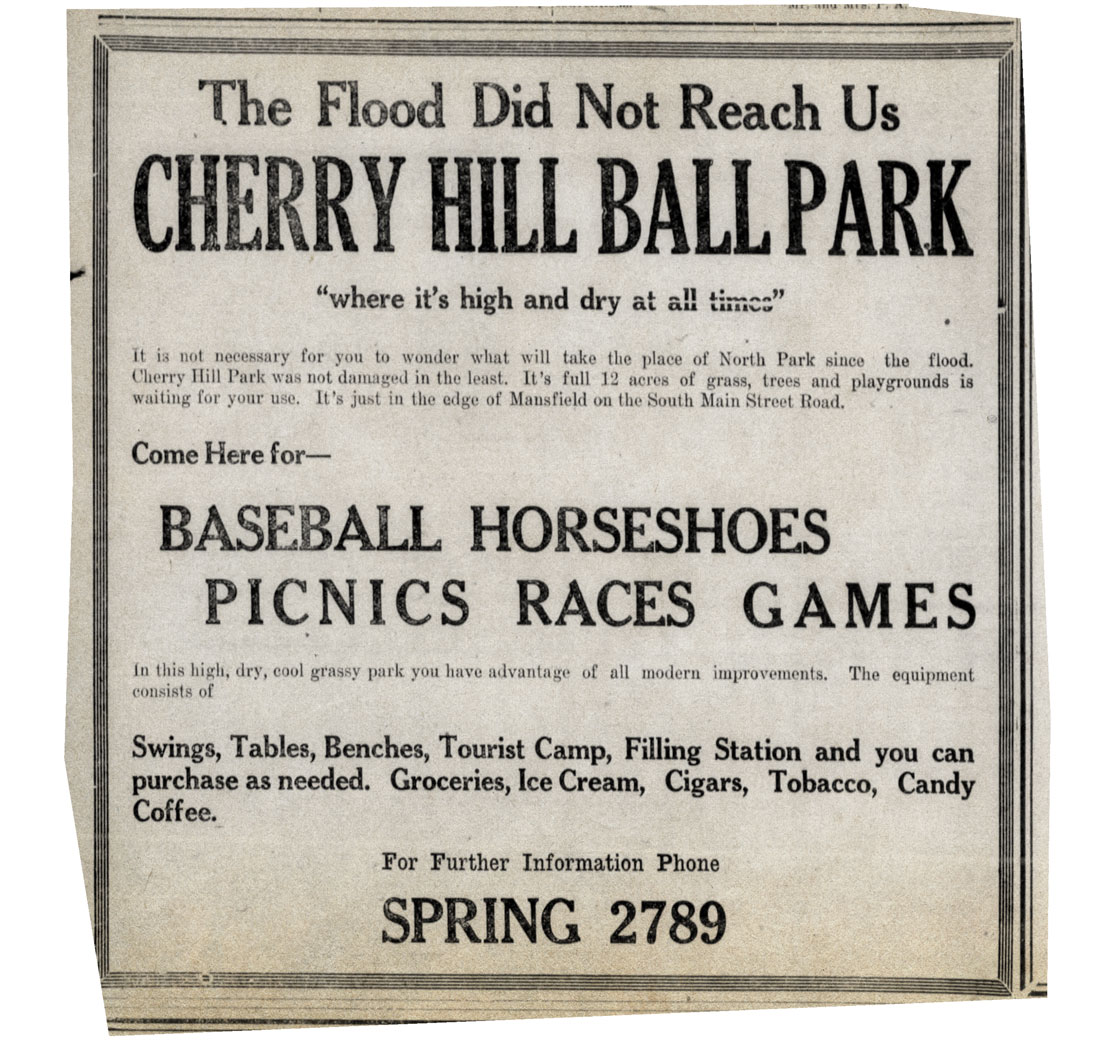
Fred knew that wherever Flora hung her apron the hungry public would follow, so he put up a sign outside their farm, just out of town on South Main, and began the Cherry Hill Restaurant. Within only weeks he was building the park to go with it.
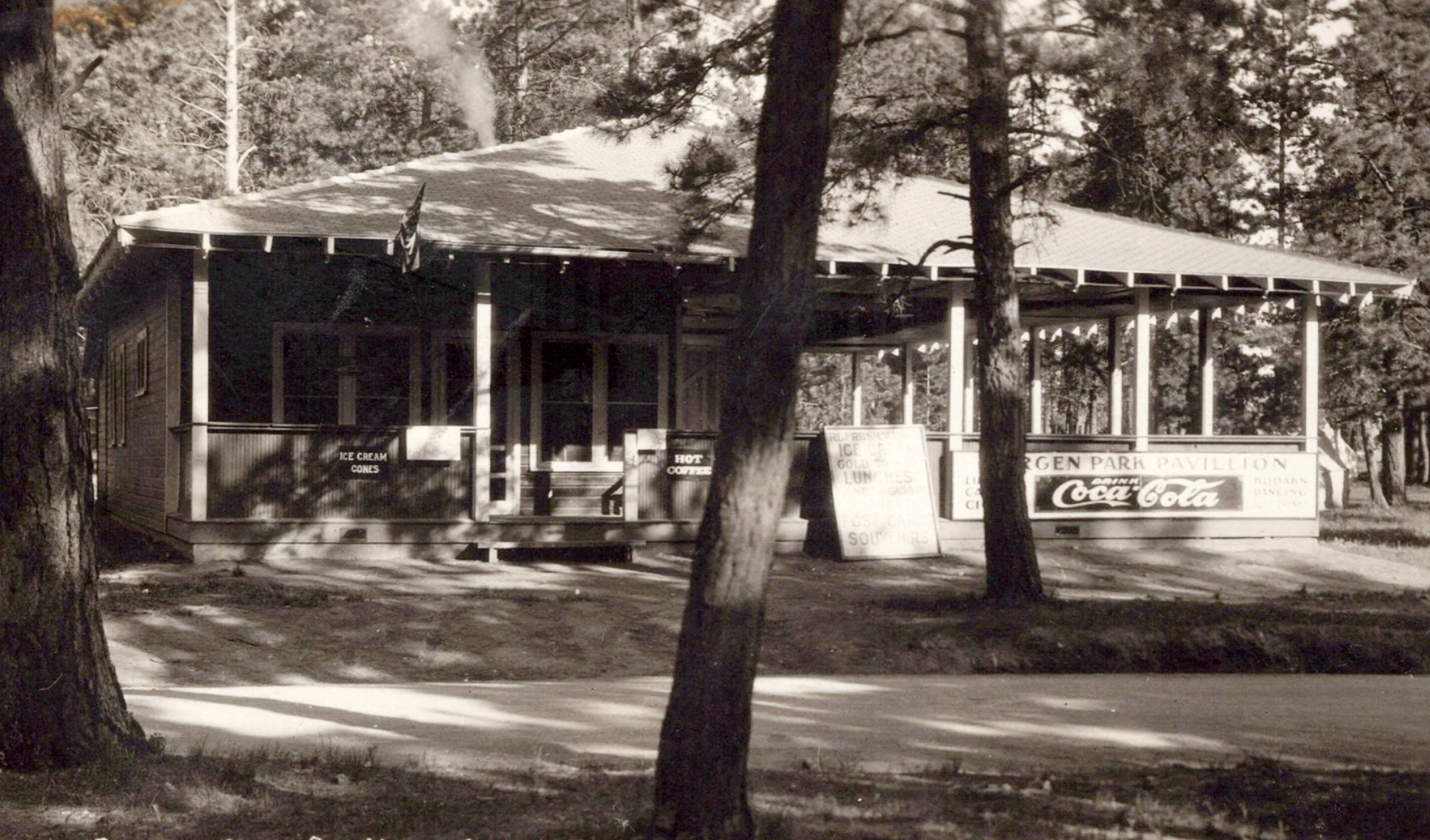
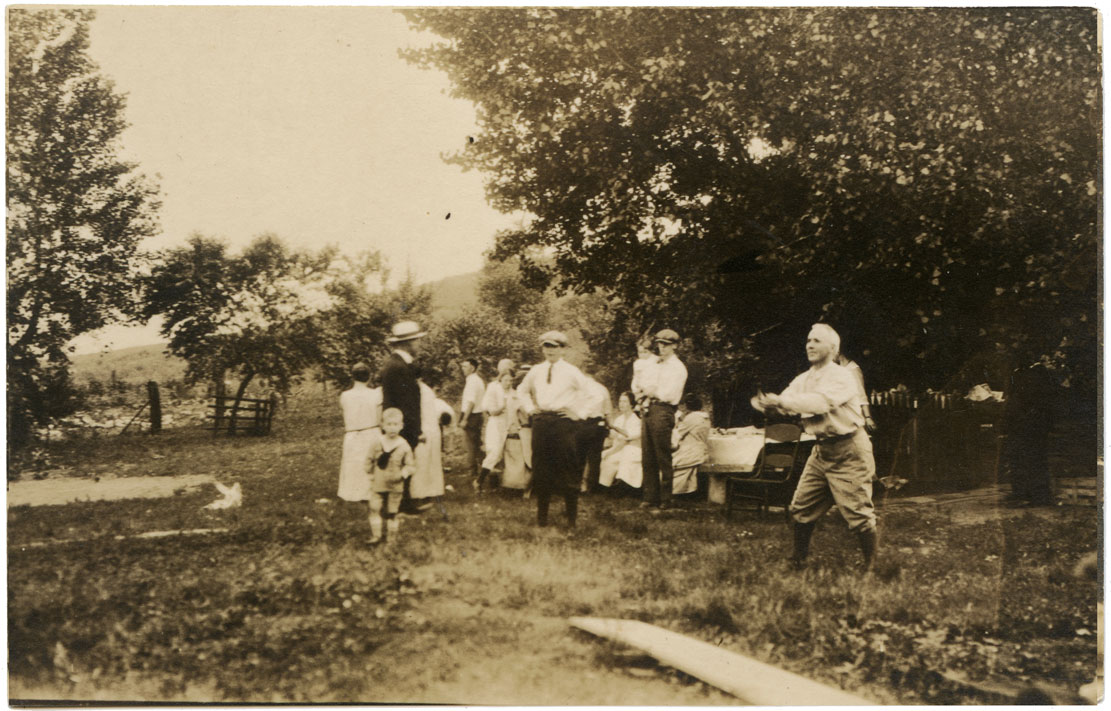
By the time the the Park opened for its second season in 1924, there was a new pavilion venue for food, dancing, and crowds.
And the crowds came.
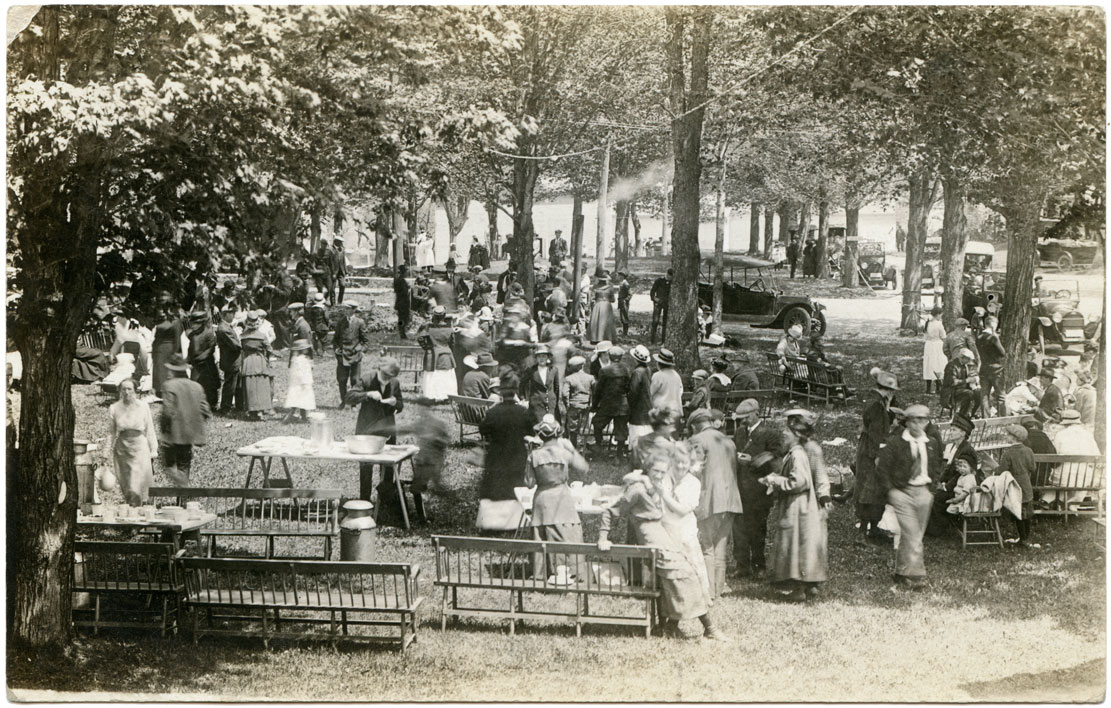
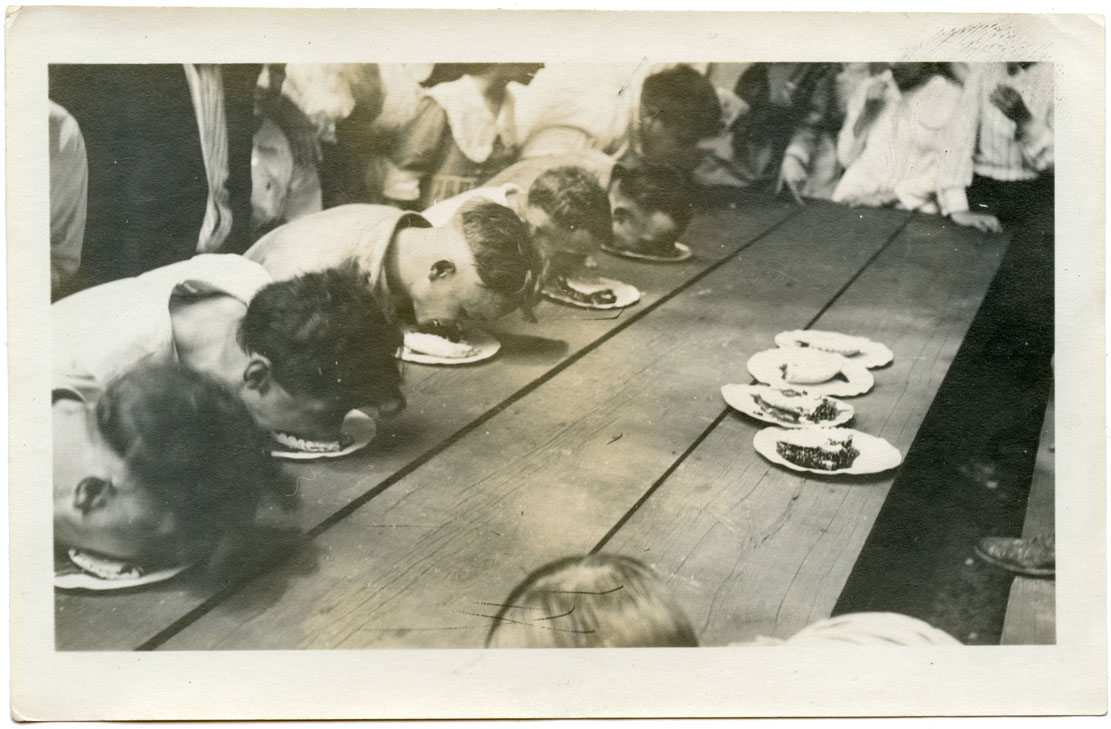
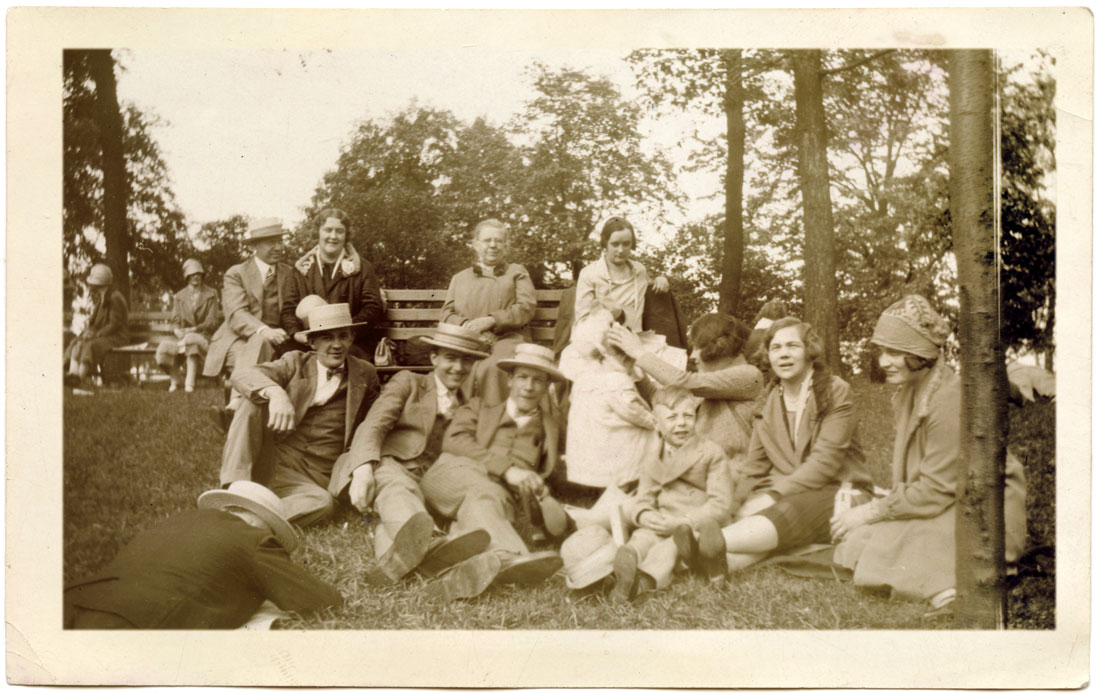
Even without a date written on the back of this photo it is easy to tell when this picture was taken simply by the haircuts. In 1927 & ’28, all boys and young men in America wanted to look like their hero Charles Lindbergh after his epic flight across the Atlantic. Shaved over the ears: that’s the aviator’s cut.
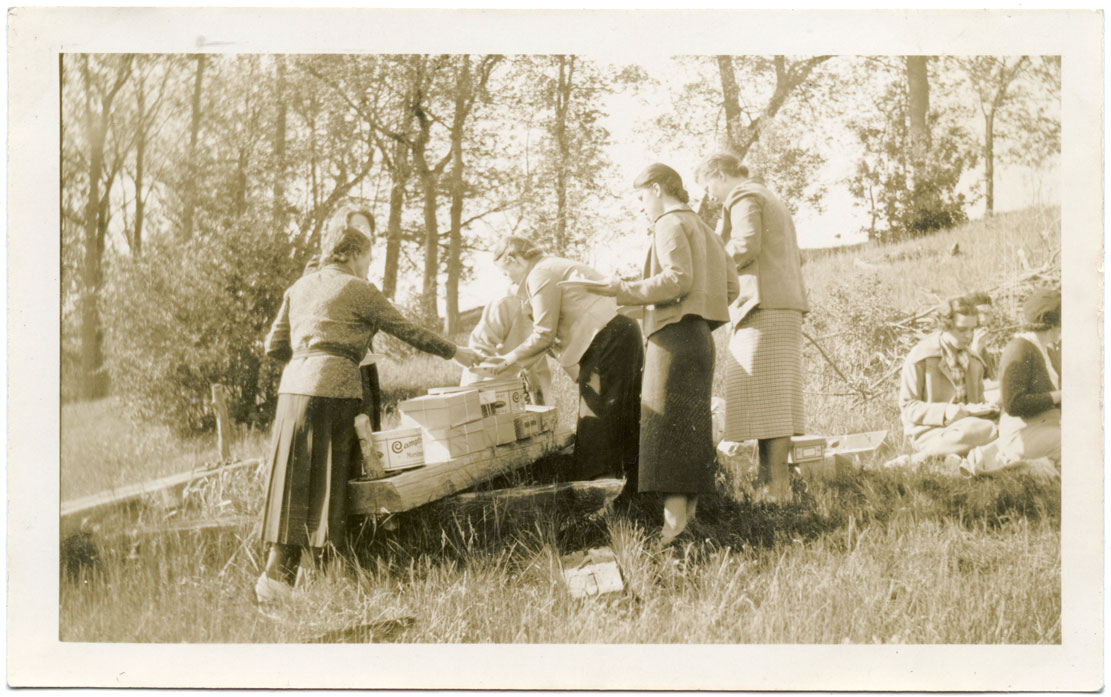
A great portrait of Mrs. Daly’s pies.
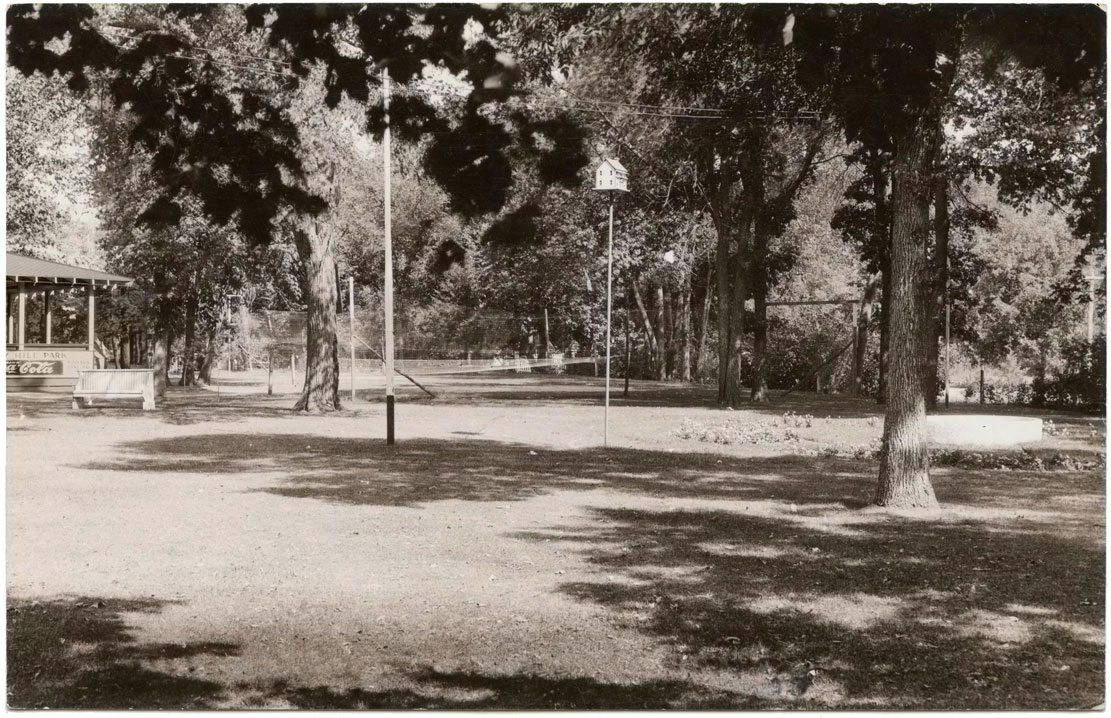
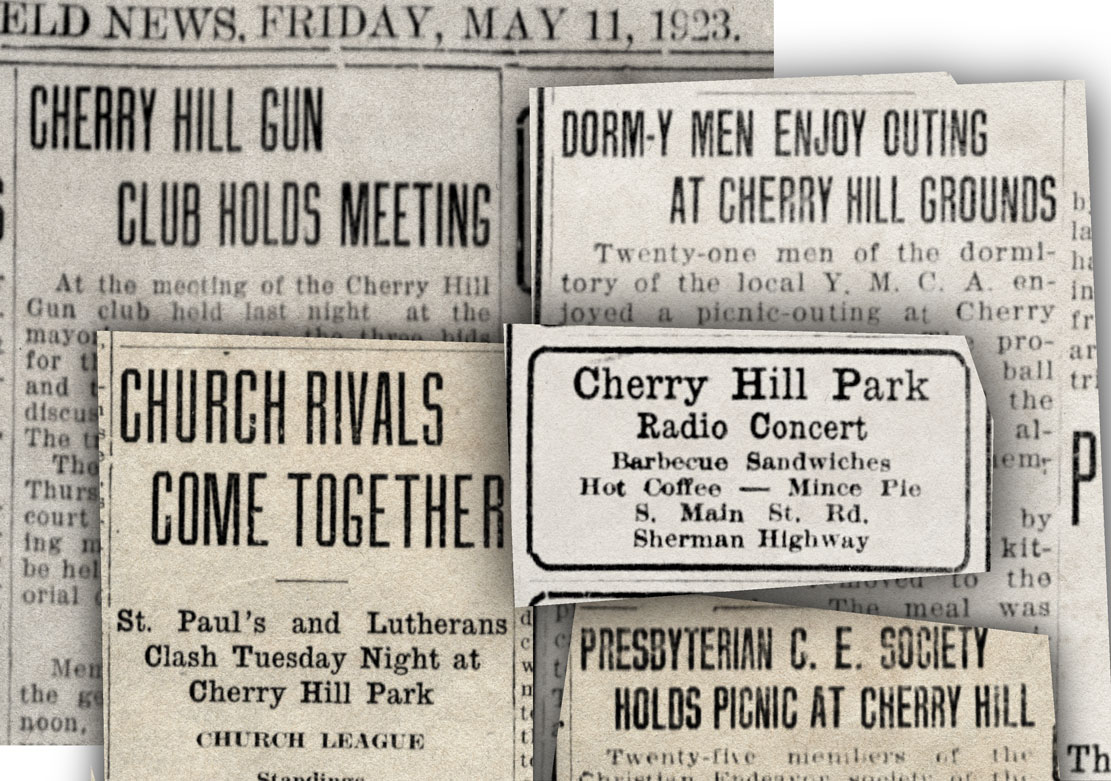
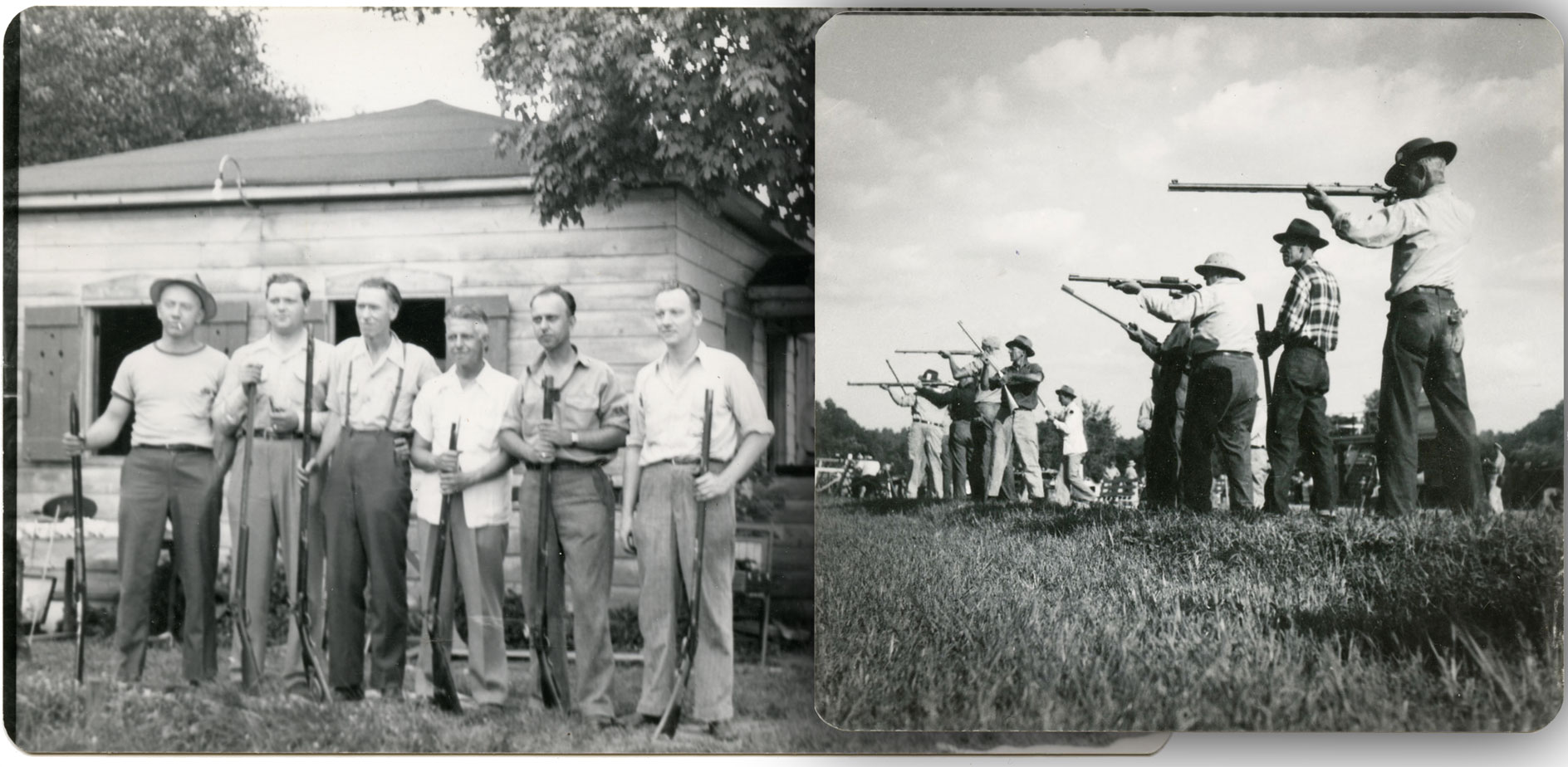
The Auto Park
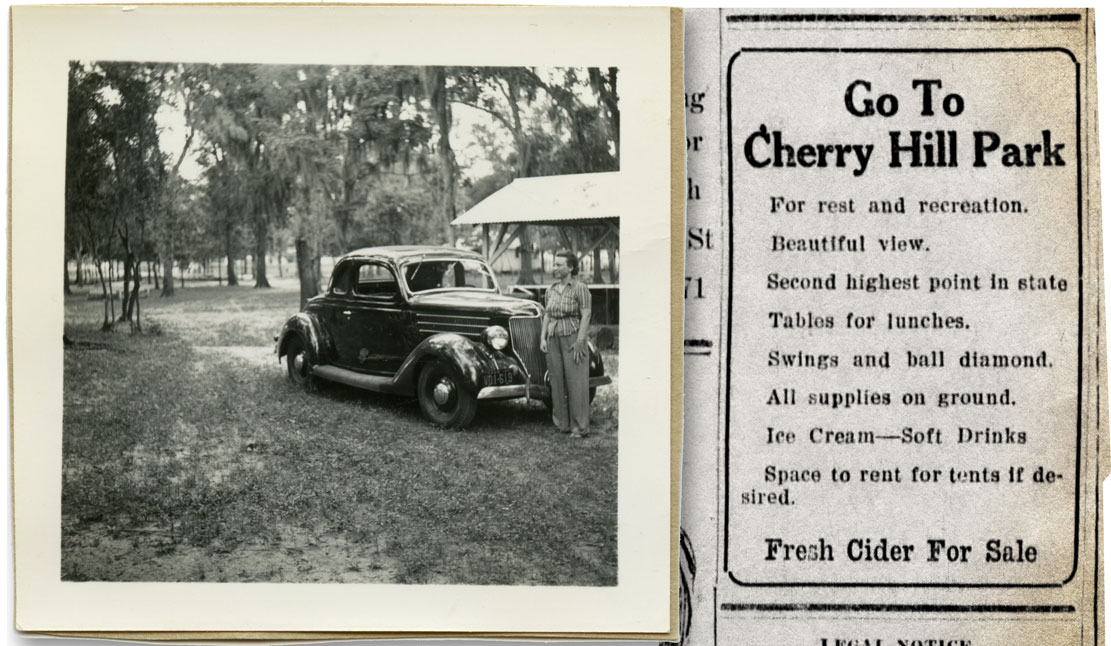
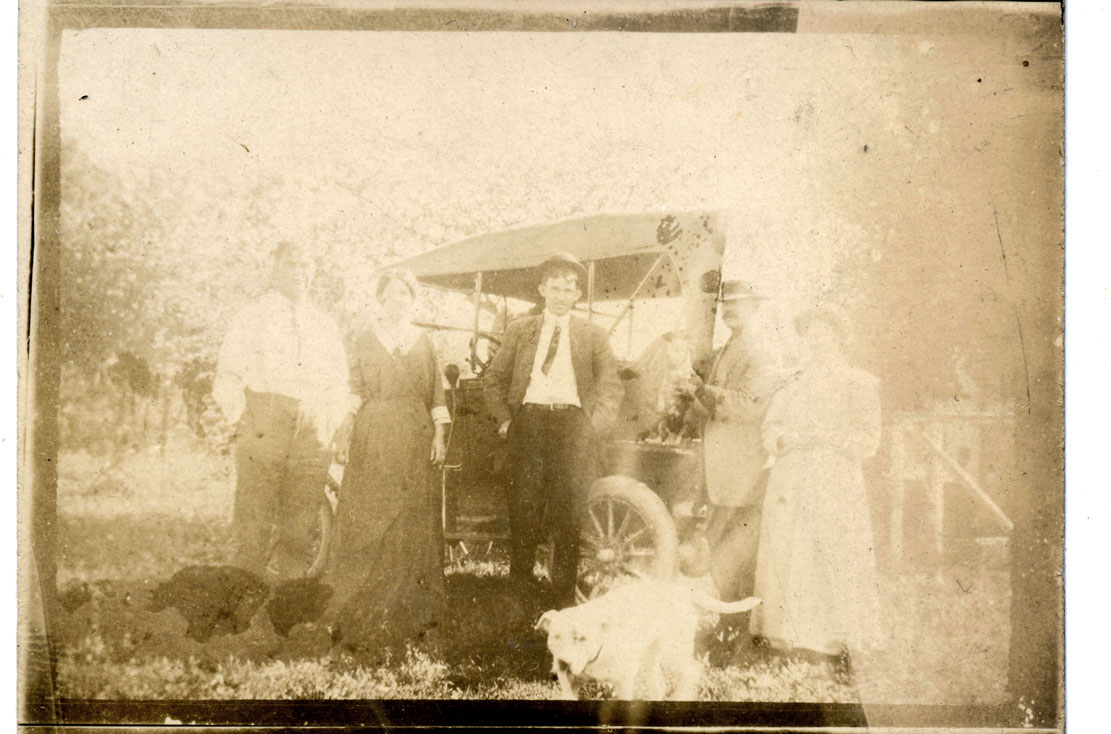
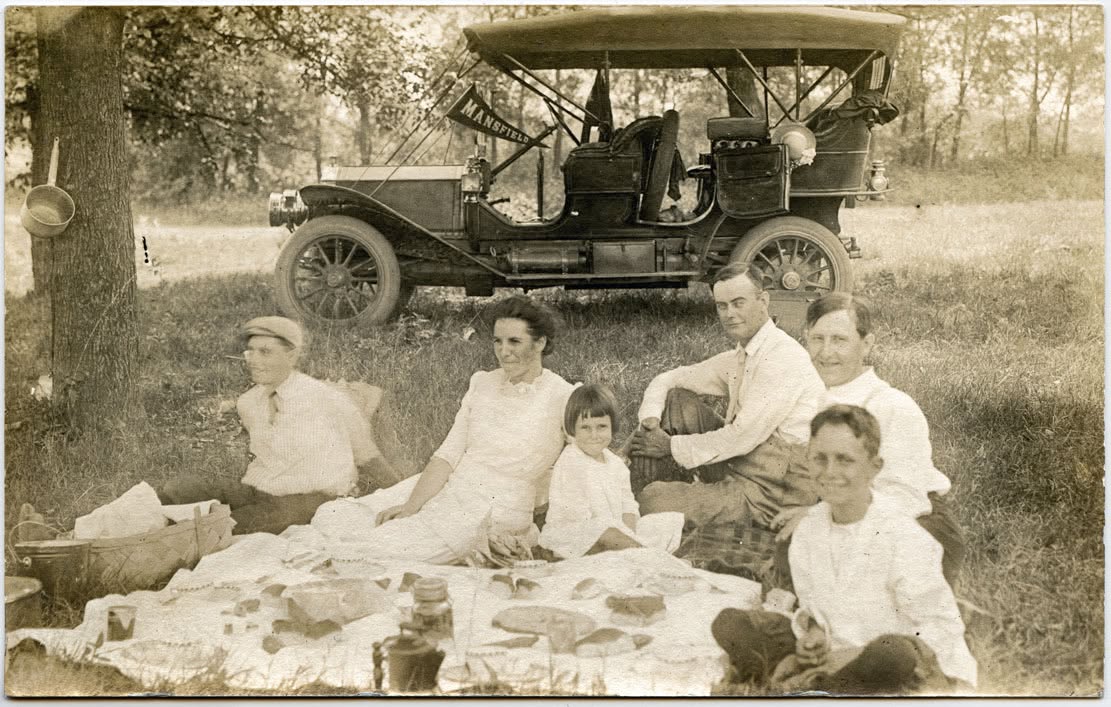
In the 1920s, when America’s first big automobile love affair blossomed with the Model T, it was common to find roadside camping grounds where travelers could park their cars. These ‘Car Parks’ were the forerunners to the country’s Motel boom for quick overnight accommodations.
The Cherry Hill Tourist Camp was officially approved by the State division of sanitary engineering in 1927 after completing water and sewage lines.
When the Great Depression killed their business, Fred Daly started selling off lots in the park because they already had the necessary infrastructure to pass city codes.
The Famous Fred Daly in Myth and Legend
Fred Daly was not a Mansfield native, but he landed in our town for twenty-five years and made this place his own. He was born in Chicago and his uncle was such a huge entertainment celebrity the boy seemed destined to entertain. His uncle was a major star in Vaudeville, and probably the best-known name on the North American continent in the Minstrel arts of Blackface. That form of stagecraft had largely disappeared by the time Fred took to the stage, but he was eager to adopt the old man’s popular name: Burgess.
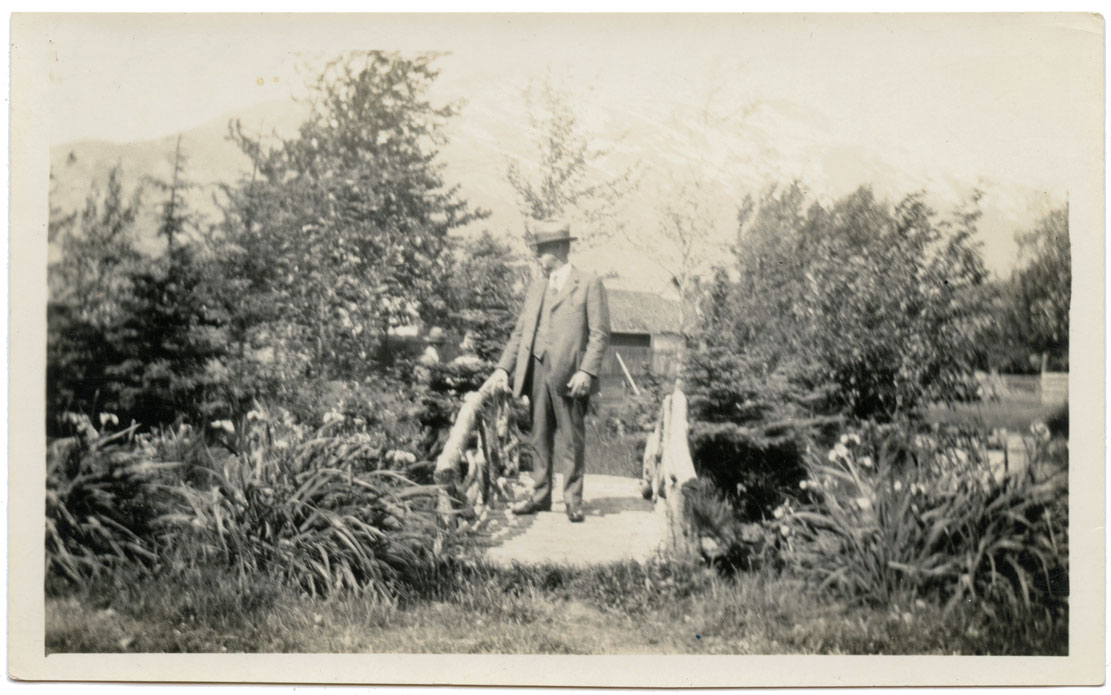
Fred made it difficult for future historians to trace his career because he changed his name to suit any occasion. He began collecting names as a small kid:
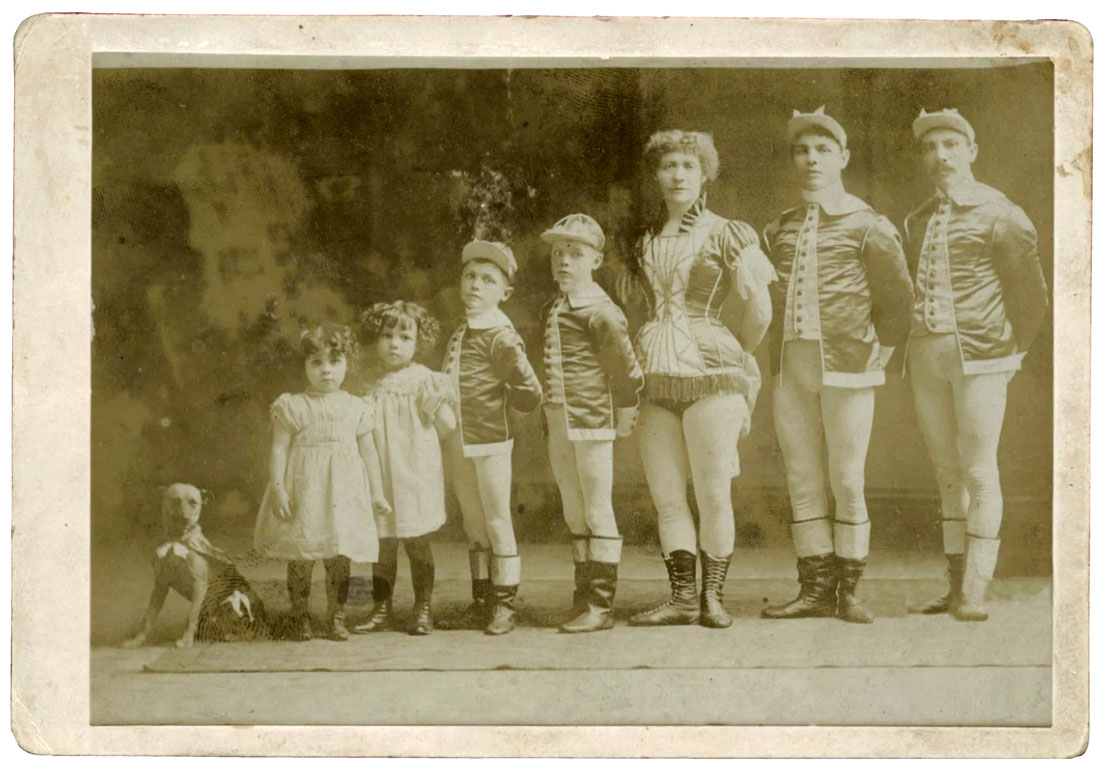
This is how Fred likely learned the entertainment value of having a performing dog on stage.
Fred in U.S. History
In his Mansfield years, Fred was well-known as a patriot, seen in uniform marching city parades, and in the editorial columns of the News. He had a lot to say defending the military uniform because:
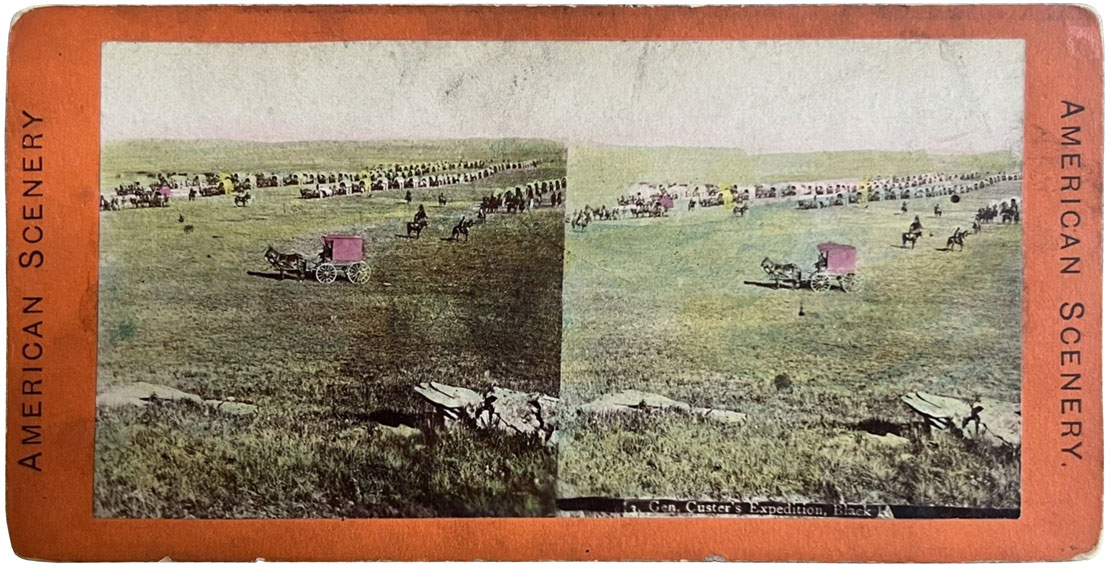
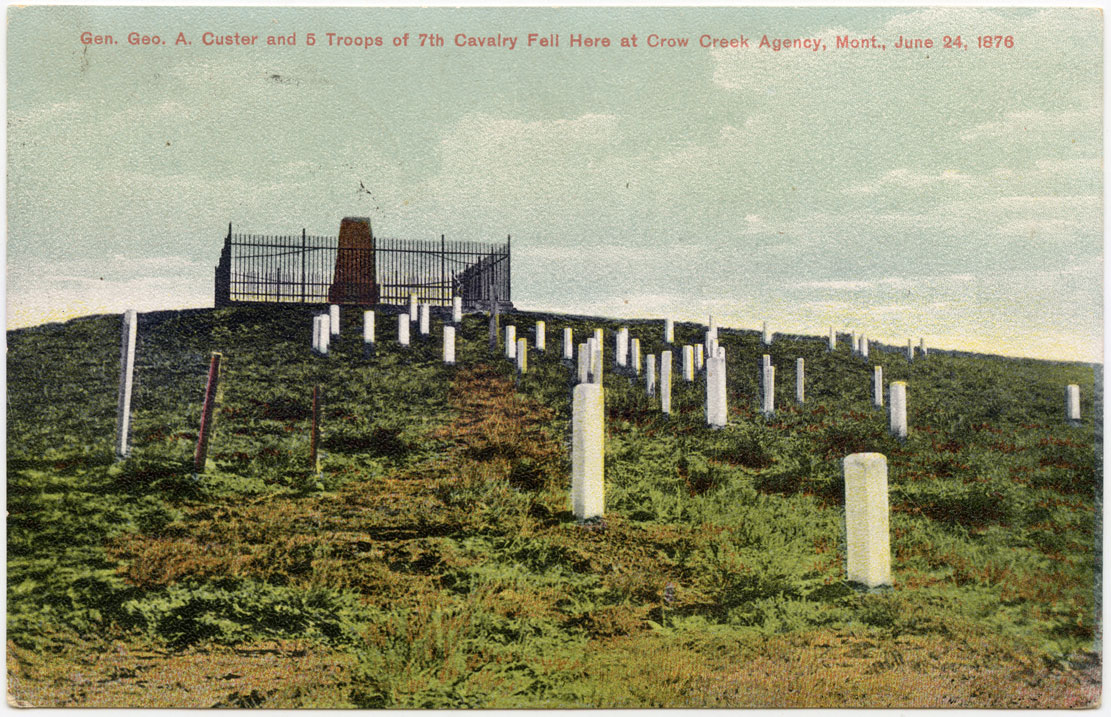
In 1874, he enlisted in the famous U.S. 7th Cavalry, and two years after he put on the uniform his commander—Gen. George Custer—was wiped out at Little Bighorn. Fred was three miles away at that moment, tending to U.S. Mules.
Following his first Army career, Fred became a cowboy and spent a couple years at the famous O Bar O Ranch in Texas riding range, and chasing cattle rustlers. His second Army career came in 1898 when he put on the uniform again for a short tour of the Spanish American War.
Return to the Stage
Fred had considerably good fortune during his second career on Vaudeville stages of the world. His good fortune was named Finnegan.
They met in Ireland, and traveled together through the footlights of Europe, South Africa, Australia, and America as the prototypical Dog & Comedian act.
When Fred reenlisted to the Spanish American War, Finnegan went with him and together they entertained the troops in what would one day emerge as the USO.
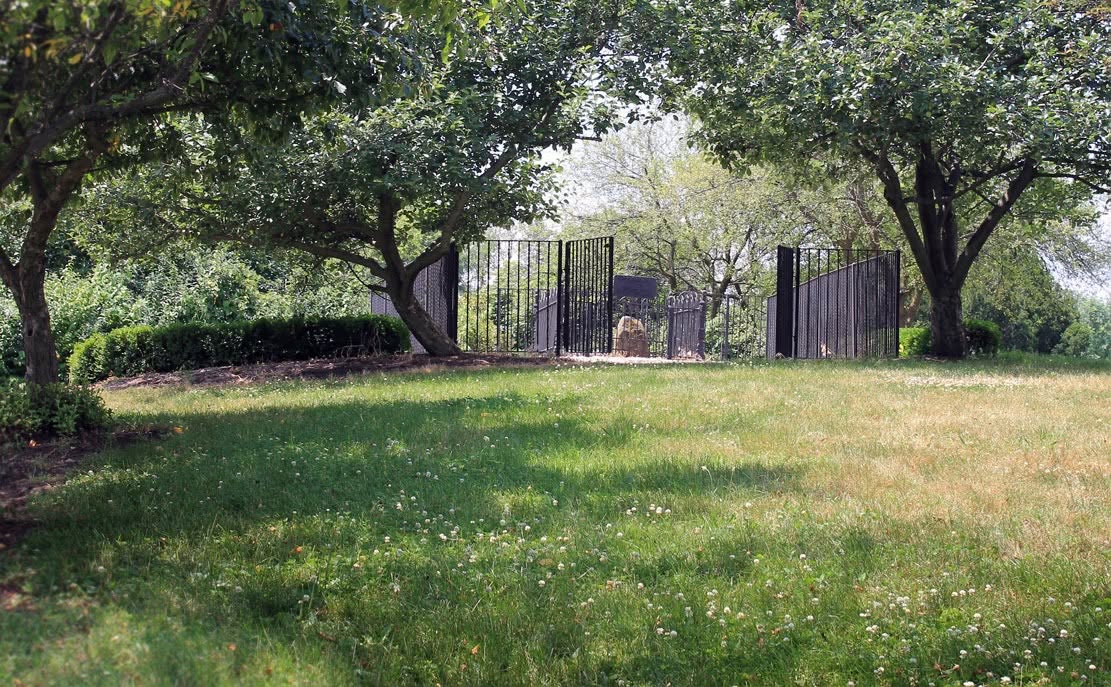
After a long and fabulous career, Finnegan retired to Mansfield, Ohio and was buried on Cherry Hill.
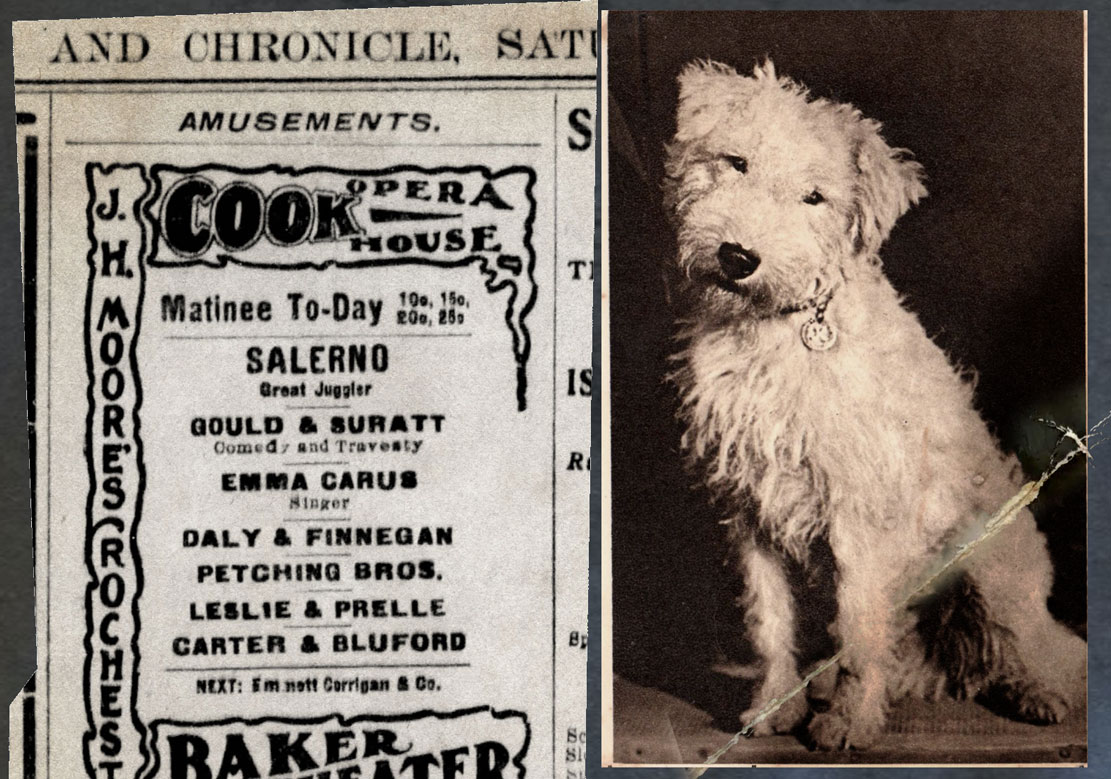
It’s not hard to imagine why some folks wondered if Fred’s stories were true.
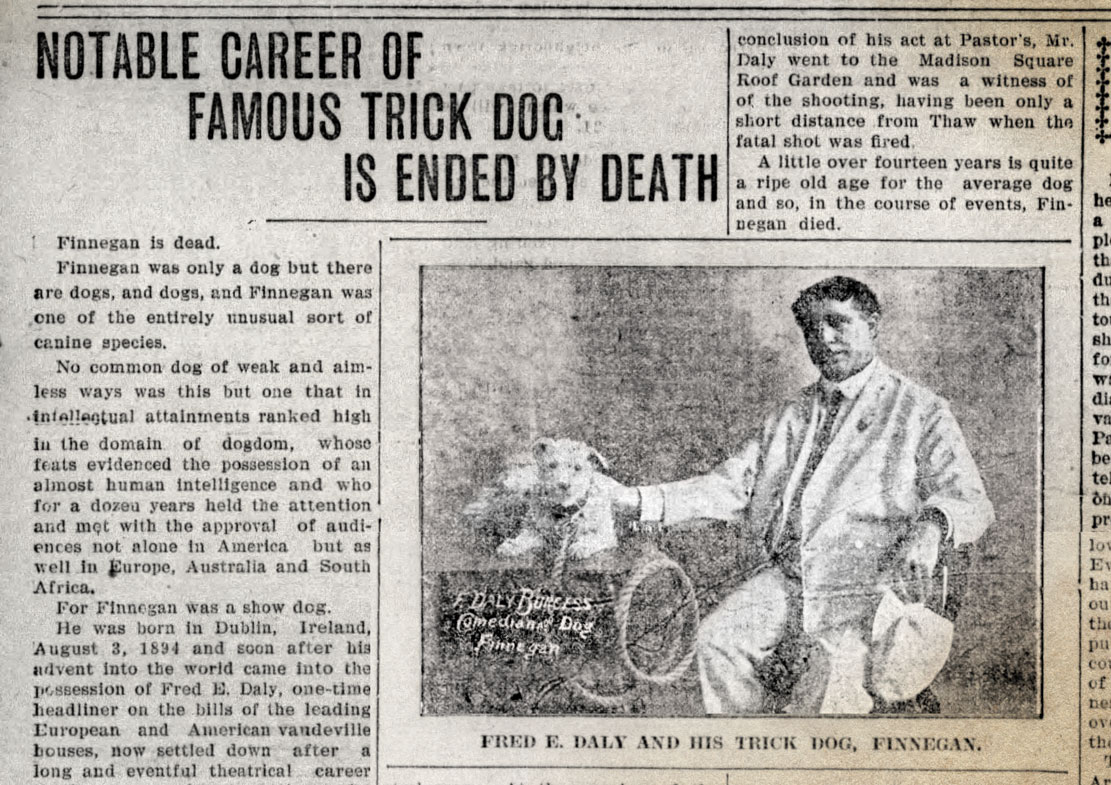
“…on one occasion while playing in London Mr. Daly was invited to Windsor Castle and he and his trick dog were given a special audience by the late Queen Victoria, who was greatly pleased with the performance of the clever dog.”
Finnegan was laid to rest in Daly’s orchard.
A Fading Memory
The original Cherry Hill Restaurant survived into the Depression but not with Fred and Flora. Flattened by the economic collapse they left Mansfield and finished up their lives in Texas.
The Park never opened again and the restaurant continued until 1937 as Crystal Inn.
Cherry Hill Park was incorporated into the City in the 1940s and Fred Daly’s lots were built into a neighborhood. Ironically, Cherry Hill Road is not within the bounndaries of Daly’s farm and the Park.
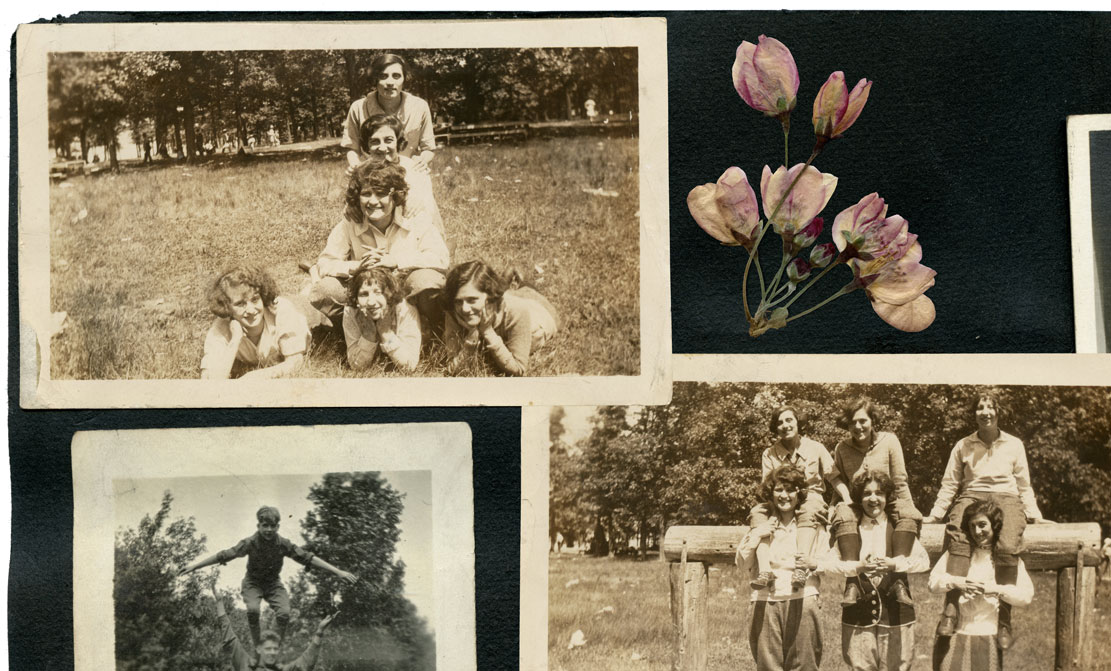
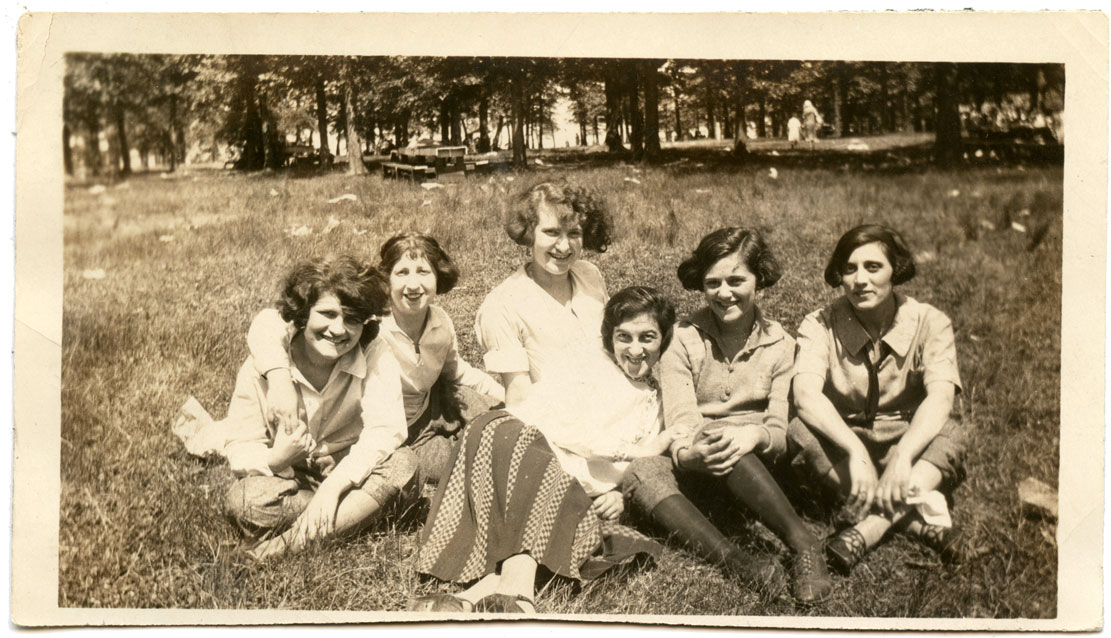
The oldest people I know now were born in the 1920s, so they certainly don’t remember anything of the character of the decade. But we can see pretty clearly just from the scrapbook pages that it was a time not lacking in fun.
The Great Depression erased a lot of memory of the joy of the 1920s. Once Cherry Hill Park was gone, nobody particularly mentioned it again.
NOTES:
Historians have claimed Fred Daly’s military career—in the Indian Wars, and the Spanish American War—were only elements of his story-telling larger-than-life Vaudeville personality because his name is not found in Army Rosters.
It is likely he was working under one of his many alternate names, however, because fellow soldiers—from the 7th Cavalry and Veterans of the Spanish American War—recognized him enough to elect him as their delegate to a U.S. military convention in 1906.